
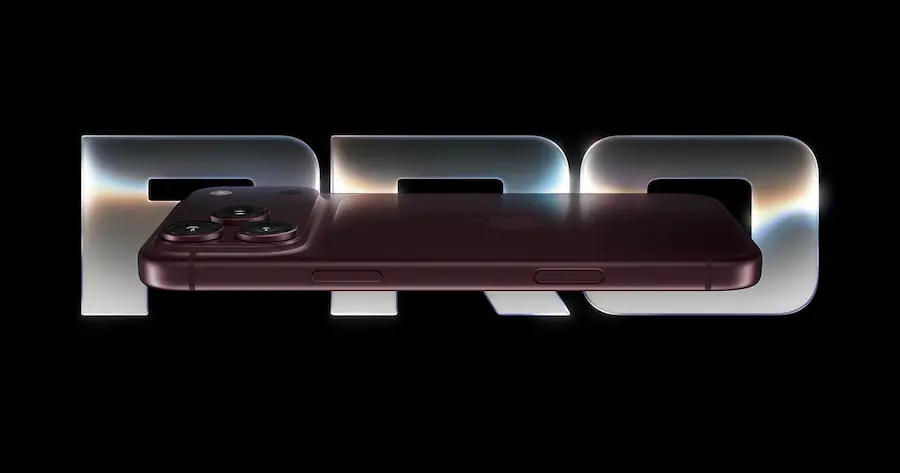

Choosing between the iPhone 18 Pro Max and the Samsung Galaxy S26 Ultra means looking beyond the spec sheet: Samsung brings clear advantages in weight, zoom and built-in tools, while Apple focuses on photographic control and battery-life improvements that still need independent verification. If you are trying to decide which one to buy, the difference between advertised features and measured results should shape the comparison.
According to information gathered by Gadget Hacks, the Galaxy has already been through PCMag’s lab, but the new iPhone still does not have a full review. What is the point of crowning a winner if one of the contenders has not yet completed testing?
Price, design and display: the practical differences
The starting price barely separates the two models: the figures provided for the United States are $1,299 for the iPhone and $1,299.99 for the Galaxy, both with 256 GB. These are US prices, so it is best not to make a direct conversion into your local currency when planning your budget.
Apple also offers 512 GB, 1 TB and 2 TB, with the latter configuration priced at $2,499; Samsung goes up to 1 TB for $1,799.99. The highest-capacity Galaxy includes 16 GB of RAM, compared with 12 GB in the base model and in every iPhone version. For anyone who needs to store large amounts of video, 2 TB is a more meaningful difference than the initial price parity.
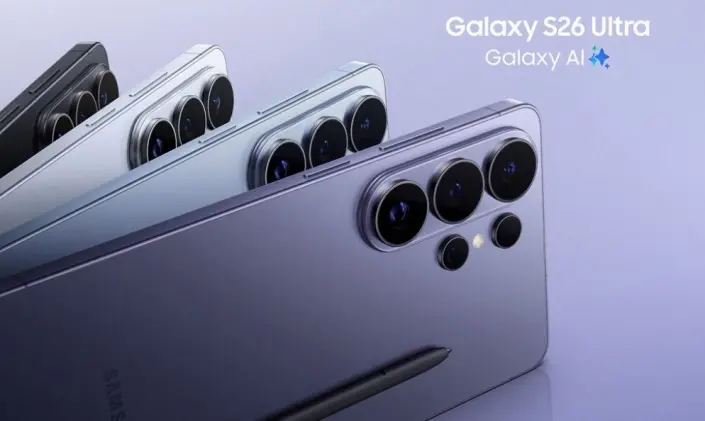
In the hand, Samsung has another advantage: it weighs 214 grams and is 7.9 mm thick, while Apple reaches 249 grams and 8.75 mm. Both have 6.9-inch displays, but that 35-gram difference can become noticeable during longer sessions.
The Galaxy also adds the integrated S Pen and Privacy Display, which darkens the screen when viewed from an angle. Its Dynamic AMOLED 2X panel offers a higher resolution, although PCMag considers the difference hard to notice in everyday use. Apple claims up to 3,000 nits of outdoor brightness versus Samsung’s 2,600, a theoretical advantage still awaiting independent measurement. On US models, the iPhone also uses eSIM only, while the Galaxy keeps a slot for a physical SIM card.
Cameras: more zoom or greater creative control
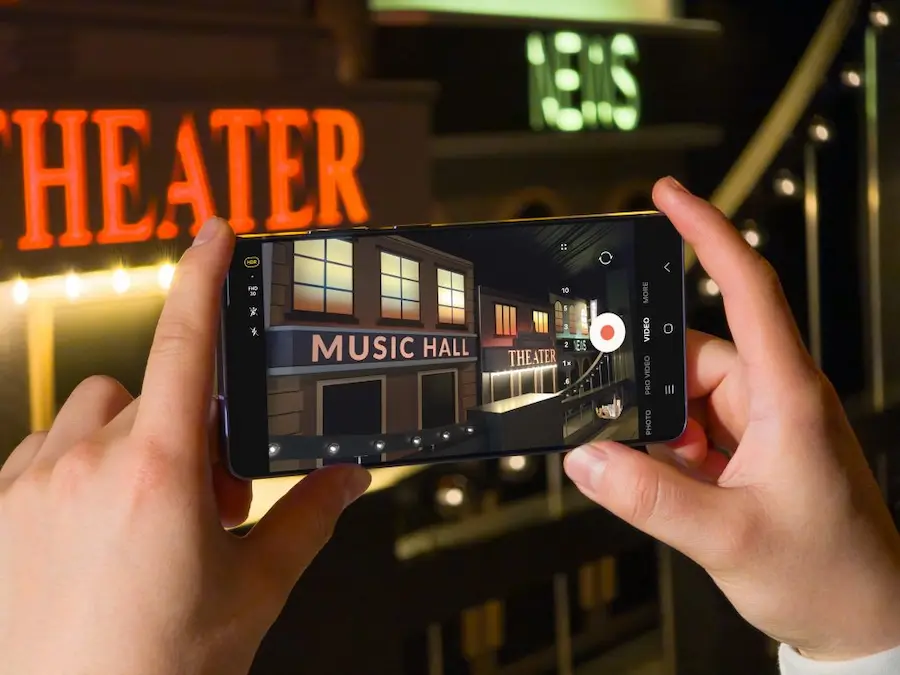
Samsung offers a particularly flexible setup: a 200 MP main camera, a 50 MP ultra-wide and two telephoto cameras, one 50 MP sensor with 5x optical zoom and another 10 MP sensor with 3x zoom. Having two distinct telephoto focal lengths expands framing options, although that alone does not prove superior quality.
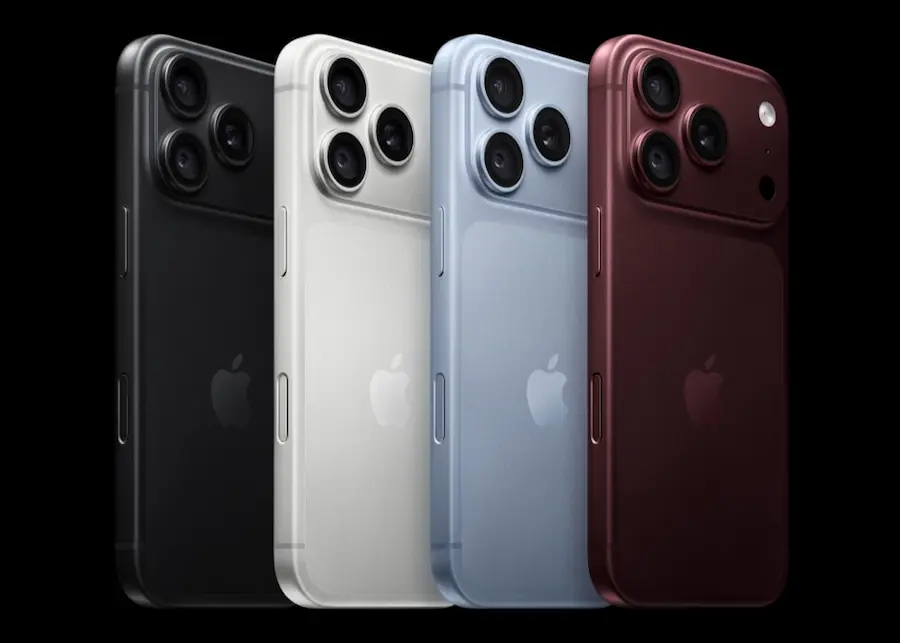
The iPhone responds with three 48 MP cameras: the main, ultra-wide and 4x telephoto. Its most interesting new feature is not about adding more sensors, but the variable aperture on the main Fusion camera: a six-blade mechanism lets users choose four stops between f/1.48 and f/4.0, either to work in low light or achieve greater depth of field.
The distinction is more useful than a megapixel battle: Samsung offers two optical telephoto zoom levels, while Apple introduces a tool for intervening directly in the capture. Automatic mode remains convenient, but here there are controls for those who prefer to adjust more than just the shutter button.
For video, Apple adds ProRes RAW, Apple Log 2, multicamera synchronization via genlock and 4K recording at 120 frames per second with Dolby Vision. It is a proposition geared toward editing and color grading later; Samsung, meanwhile, can record in 8K.
There is no direct camera comparison to settle which one delivers better results. Until we have images captured under equivalent conditions, it makes more sense to choose based on the tools you will actually use, rather than treating every higher number as an automatic win.
Battery life, artificial intelligence and buying decision
Battery life requires particular caution. Apple claims up to 30 hours of typical use and 45 hours of video playback, but those are still manufacturer figures. PCMag measured 15 hours and 5 minutes on the Galaxy S26 Ultra and more than 32 hours on the iPhone 17 Pro Max; the latter is the previous model, so it is not enough to declare the iPhone 18 Pro Max the winner.
There are also no published tests comparing the A20 Pro with the Snapdragon 8 Elite Gen 5. Apple attributes an improvement of up to 40% in sustained performance to its 2-nanometer chip and redesigned cooling, but that has yet to be independently verified. As for charging, both claim around 50% in 15 minutes with a compatible 60 W adapter; neither includes one in the box.
Artificial intelligence adds another condition. The renewed Siri arrives with iOS 27 in beta and only in English, with Spanish expected the month after launch. Samsung combines Galaxy AI and Google Gemini Live, although it is worth checking which features are available in each market. Buying solely because of an AI demo still feels a bit like installing a beta and expecting final-release behavior.
Based on what is available, the Galaxy is the better fit if you prioritize lower weight, the S Pen and dual telephoto cameras. The iPhone is more appealing if you prefer iOS, need 2 TB or will take advantage of the variable aperture and its video tools. If your decision depends mainly on battery life, performance or camera quality, the prudent move is to wait for an independent review of the iPhone before buying.


