


Managing money from your phone no longer feels like something “from the future” — it’s just everyday life. In that context, Revolut has carved out a huge space for itself in Spain. If what you want is to understand what Revolut is, what you can actually do with its app, and how its plans differ, here’s a clear, well‑grounded overview that keeps the truly important bits in focus: limits, genuinely useful day‑to‑day features, and that “everything in one app” approach that some people love… and others side‑eye.
Revolut is a digital bank headquartered in the UK, widely known for travel use (yes, that card many people pull out the moment they reach an airport). But its offering goes much further than that. From the app you can manage incoming and outgoing payments, exchange currencies, send money, and also access additional tools related to saving and investing. And as is often the case with modern finance apps, the appeal is that almost everything happens without ever setting foot in a branch — because there simply isn’t one.
In Spain, support is handled mainly via a 24/7 in‑app chat. You can also freeze your card at any time from the app, or use an automated phone line (+ 37052143608) aimed at that kind of account management and providing recorded information. Overall, the experience is designed for quick, pocket‑based action — which sounds great until you remember how often we still want to “talk to someone” when something goes wrong.
What Revolut is and what you can do from the app
Revolut works as a digital banking platform that lets you manage your finances from your phone with a fairly broad set of tools. At a basic level, it lets you check your balance and transactions, manage cards (enable/disable them, review payments), and make transfers, including international ones. But it also includes more “ecosystem” features that help explain why it has become so popular among people who want to centralise their financial life.
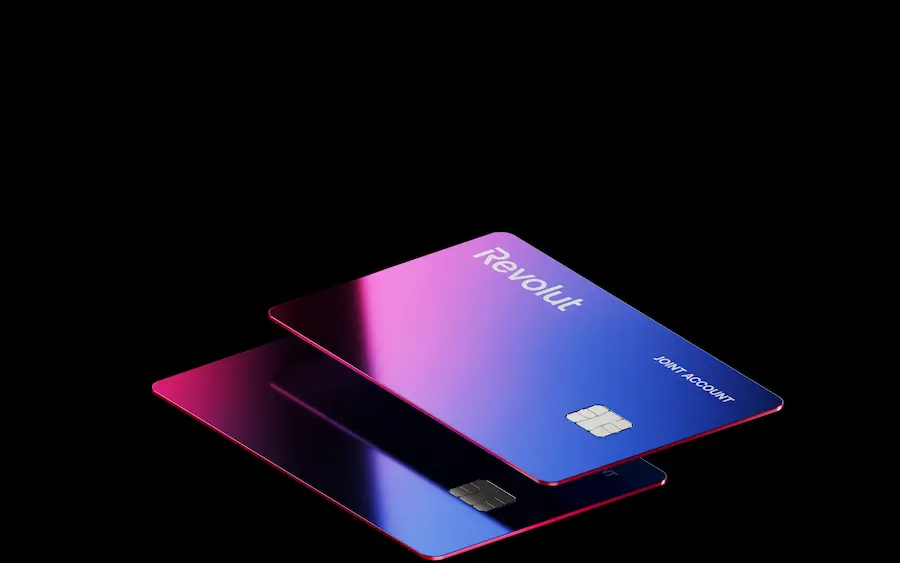
Notable options include currency exchange directly in the app, with more than thirty currencies, plus the ability to withdraw cash from ATMs abroad — a good fit for its travel‑friendly image. On the free plan, it mentions 0% fees on currency conversion up to a limit of €6,000 per month converted. The offering also includes a physical card, designed for paying and withdrawing cash without relying on your phone (even though we all know NFC and digital wallets are right there, ready when you are).
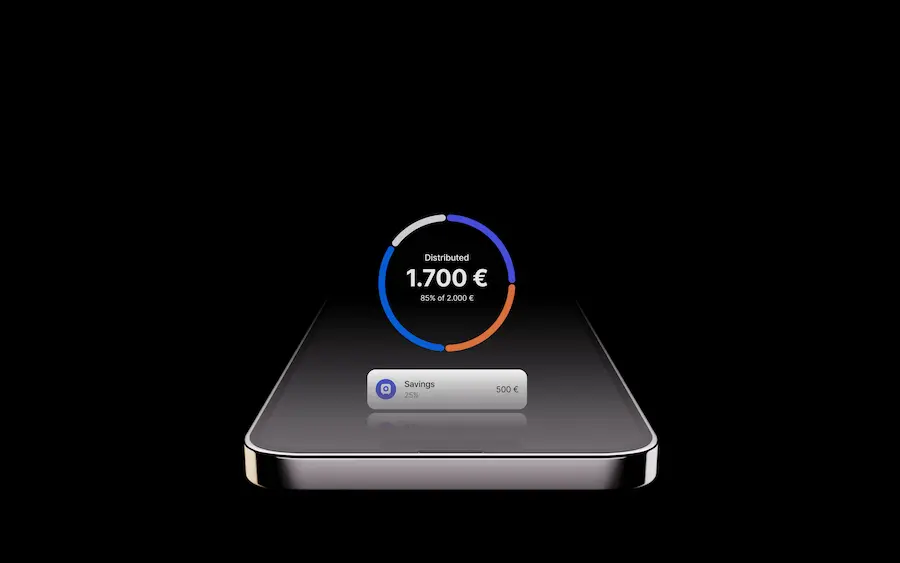
The app also adds tools to organise your money better, such as Pockets to manage bills, the option to create spaces or sub‑accounts for saving, and features to request money from contacts — handy when it’s time to split a dinner bill and no one wants to do the maths. On top of that you get activity notifications, personal finance budgets, and a cashback feature tied to hotel bookings made through Revolut.
Where Revolut has really been “powering up” over time is investing: it lets you invest in stocks, money market funds and other products, and also buy and sell cryptocurrencies within the platform. For some, having everything integrated is the definition of convenience; for others, it’s the classic case of an app that wants to be the universal remote for your finances — and as often happens, it doesn’t always win on specialisation.
It also has options for minors. Revolut lets you create a free account for young people aged 6 to 17, with their own app and card. From age 14, the teen can create a free account with authorisation from a parent or guardian; if they are 13 or under, the account is created from an adult’s app. In addition, payments between Revolut users under 18 are only available from age 14 — a detail designed to give parents more control and help prevent easy transfers to strangers.
Revolut plans: Standard, Plus, Premium, Metal and Ultra
One of the keys to understanding Revolut is that there’s a free plan (Standard) and several paid plans that expand benefits, limits and extras. The Standard plan has no monthly fee and is aimed at people who want an online account for everyday use or for spending abroad. On this plan, it mentions the option to withdraw up to €200 from ATMs without fees — a typical limit in services like this to separate occasional use from heavy use.
Next is the Plus plan, priced at €3.99 per month or €39.99 per year. It includes elements such as a free UK account, a customisable card, a free euro IBAN account, priority customer support, and features related to Revolut Junior.
The Premium plan costs €8.99 per month or €90 per year and adds exclusive card designs, priority support, Junior features, as well as extras such as purchase protection, international expenses, and international medical insurance, among others. In practice, this tier tends to appeal to people who travel fairly often and value having added coverage without jumping between multiple services.
With the Metal plan ( €15.99 per month or €155 per year ), the idea is to offer the “complete package”, including a contactless card and the option to earn up to 1% cashback (as stated). Above that is Ultra, priced at €45 per month for three months and then €55 per month; on annual billing, €660. It’s aimed at people looking for the maximum within the Revolut ecosystem and includes advertised benefits worth more than €5,000 per year, such as unlimited access to airport VIP lounges or monthly data plans.
Does that mean the best plan is always the most expensive one? Not necessarily. With Revolut — like almost any tiered service — what matters is whether you’ll actually take advantage of higher limits, priority support or insurance. Otherwise you end up paying for a list of features that sound great… and then sit in the “I’ll look at that someday” drawer.
Benefits, limits and drawbacks: what you should keep in mind
The most obvious advantage is 100% online management with a free account and an experience built around mobile use — a good match for how we already use digital services, from messaging to smart homes (and yes, sometimes with the same reliance on notifications). Also notable is in‑app currency exchange and its usefulness for travel, plus the availability of insurance on certain plans, designed to cover incidents related to payments, travel, or situations like delays or cancellations, as long as purchases were made with the card.
Revolut also offers interest‑bearing accounts that generate interest while keeping the money accessible, although those interest rates vary by plan and can change frequently as the European Central Bank adjusts rates. As stated, this feature — which for a time was particularly attractive — has gradually become a bit less compelling.
On the less friendly side, there are limits on transfers or spending over certain periods, which can be inconvenient if you need to move large amounts. Also, some features may involve fees that aren’t always obvious, so reading the terms before enabling specific services is part of the “adult mode” any finance app demands.
When it comes to investing, it’s noted that some specialised outlets consider Revolut may have higher fees than similar alternatives, which could make investing here less attractive if your priority is keeping costs as low as possible. And then there’s the bigger debate: Revolut has expanded its offering with many options, and that breadth can be seen as a lack of specialisation… or as an advantage for anyone who wants to save time and keep everything in one place.
Finally, like any online financial platform, there’s a security component that depends partly on the user: a strong password, a protected device, and sensible habits to reduce the risk of fraud or identity theft. In Spain, at least, limited support doesn’t seem to be an issue, since 24/7 chat is available in the app and Revolut operates under European regulations.


