
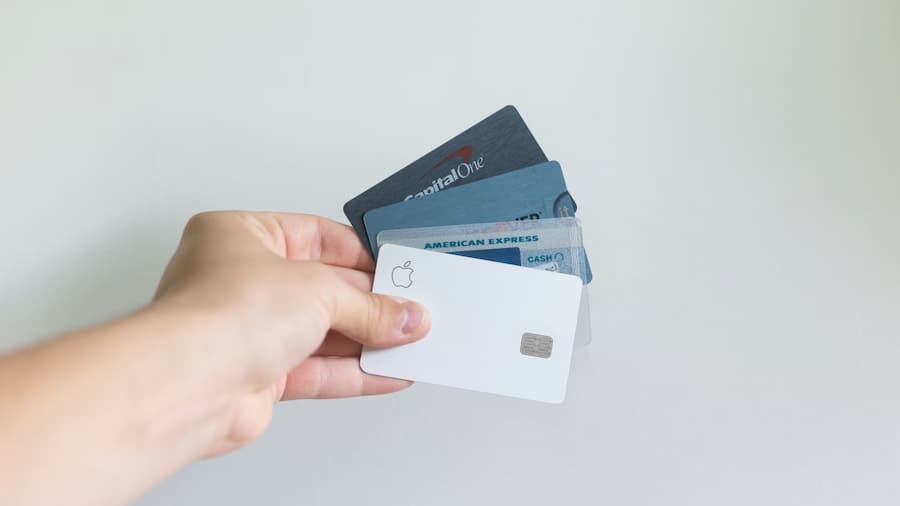

Shopping online is almost a modern superpower: you save time, skip the queues, and you don’t even have to carry bags home. The problem shows up right at checkout, when you have to type your card number into a website you may not trust as much as you’d like. That’s where virtual payment cards have become a very practical way to reduce risk, improve spending control, and limit the damage if something goes wrong.
The idea is simple: use a card designed for online purchases, with its own details (number, expiry date, and security code), without needing any plastic in your wallet. The most interesting part? Depending on the type of card, it may not be directly linked to your main account—or at least you can load only the amount you need for a specific purchase. That way, if a store isn’t entirely trustworthy or someone intercepts the details, the impact stays contained. Who wouldn’t like to sleep a little easier when paying on a new online store?
What is a virtual payment card and why is it used
A virtual payment card works like a traditional card in the essentials: it has a number, expiry date, and CVV to complete online payments. The difference is that it’s not physical, so by default you can’t use it in brick-and-mortar stores because there’s no card to pull out of your pocket. That said, there’s an important nuance: if you link it to a mobile payments app, that limitation may not matter in some situations, because the payment is made from your phone rather than the plastic.
The key strength of these cards is risk isolation. In many cases, they don’t have to be directly tied to your main account, or you can use them as a reloadable “middle layer” where you decide how much money is available at any given time. That means that even if someone gets the details, they wouldn’t have access to “everything”, only to the balance you’ve loaded—reducing the impact of fraud and common online shopping scams.
Since they don’t exist as a physical object, they’re also less likely to be lost or stolen. And while no technology is immune to everything, the fact that they’re harder to clone or duplicate, combined with the fact that some can be used for a limited period, makes them a very useful option when you want to pay without feeling like you’re handing your details to the first store that comes along.

Still, it’s worth staying grounded—even with “geeky” tools: you need to protect your information just as you would with a normal card and use it only on secure websites. Also, before signing up for or activating one, it’s sensible to check the terms and conditions to understand limits and any associated fees, because the fine print doesn’t vanish just because the card is digital.
Pros and cons: security, control, and real-world limits
In practice, virtual cards stand out for two reasons: security and spending control. On security, the logic is almost “sandbox mode”: you separate your online purchases from the rest of your money and reduce the potential damage if a website is questionable or if your details end up where they shouldn’t. On control, the advantage is just as tangible, because you can top up only what you need or restrict use to a specific balance—especially useful if you want a minor to buy online (games, virtual currency, or digital content) without turning it into a free-for-all of unexpected charges.
That said, there are trade-offs too. The first is their primarily online use. If you need to pay the traditional way in a physical store and you haven’t linked it to a mobile payment app, it won’t help. The second is that they often come with limited expiry dates, so you may need to renew it or generate another one when it becomes inactive—something some users find inconvenient.
Another thing to watch is fees. Depending on the service, there may be per-transaction charges or monthly fees, so it’s worth reviewing the conditions carefully to avoid surprises—especially if you plan to use it frequently. And there’s a less glamorous reality: not all merchants accept virtual cards, or some sites may simply add friction at checkout. You might also run into additional verification (ID checks or proof of residence), which clashes with people who are specifically looking for extra privacy; a very 21st-century irony for anyone who’s spent years reading about digital security.

Types of virtual cards and common options
There isn’t just one “virtual card”, but several types with different approaches. The right choice depends on how you shop, how often, and how much control you want.
Virtual credit card: a card issued by a bank or financial institution for online purchases and payments where credit cards are accepted. Examples mentioned include Visa Virtual Account, Mastercard Virtual Pay, and American Express Virtual Pay, which fit the classic credit model, brought into the digital space.
Virtual prepaid card: loaded with a specific amount and used online from that balance. It’s often issued by specialist companies and, depending on the case, may not require a bank account, which makes it appealing if you want to keep your main finances separate. Paypal Cash Card is cited as an example of this reloadable approach.
Virtual gift card: designed for online purchases within a specific ecosystem or store, and widely used as a digital gift. It typically has an expiration date and a maximum amount. Examples include Amazon and Zara gift cards—common choices when you want to get it right without guessing sizes or styles.
Virtual debit card: issued by a bank or financial institution and linked to a bank account, but it lets you pay online without exposing the account’s real details to the seller. Revolut is mentioned as an example of virtual debit, a popular option for anyone who wants online shopping with a more direct setup.
As for availability, there are two main routes. On the one hand, there are virtual cards tied to banks, usually managed from the bank’s app, where you can create specific card details (number, expiry, and CVV)—sometimes even for one-off use and then discard them. On the other hand, there are non-bank services or prepaid approaches, with names like Bnext or Revolut, also mentioned as useful for travel and, if you have a physical version, potentially allowing cash withdrawals. The article also mentions Correos Prepago, a rechargeable physical card that can be used for online payments and withdrawing cash from ATMs, bridging the traditional and digital worlds.


