

If you’ve ever had to juggle your personal phone and your work phone, or travelled with a local SIM in your pocket “just in case”, you already know where this is going: Dual SIM is the feature that lets you keep two lines on a single smartphone. And yes, on paper it sounds like the perfect solution, but in real life there are caveats—especially when it comes to setting up calls, data and messages so you don’t end up calling from the wrong number at the worst possible moment.
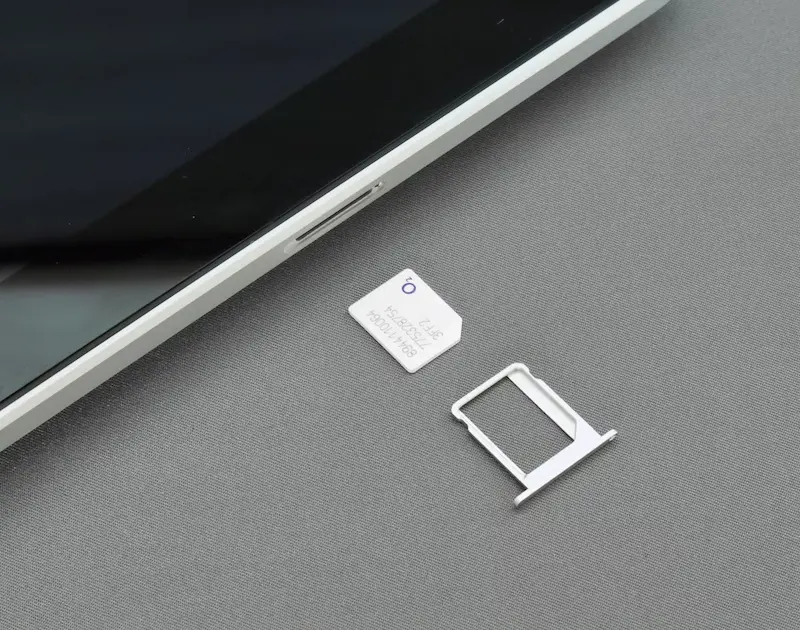
At its core, Dual SIM means the phone includes two SIM card slots (usually in an internal tray) and can therefore keep two numbers active on the same device—for example, one for your personal life and one for work. The funny part is you won’t notice it from the outside: a Dual SIM phone is usually identical to a single-SIM model, except for that tray that accepts two physical cards.
That said, not all Dual SIM phones behave the same. On some models, the two lines don’t work “at the same time” in the same way for everything, and the exact behaviour depends on the device. Some handsets let you choose which SIM to use for calls and messages, while others can automatically pick the card with better coverage. So if you’re comparing phones by specs, it’s best to assume Dual SIM is a broad label and that the real detail only shows up in the settings and day-to-day use.
Also, Dual SIM doesn’t force you into anything: you can use the phone with just one card with no issues, and the second slot simply stays empty. But if you do decide to use both, the smartest move is to set them up from day one: assign which SIM is used for data, which one for calls and messages, and give them clear names (“Work” and “Personal” beats “SIM 1” and “SIM 2”, unless you enjoy living on the edge).
What Dual SIM is and what you need to configure
The basic idea of Dual SIM is simple: two physical cards, two numbers, one phone. In practice, the critical point is managing calls, SMS and mobile data. Many phones let you decide in settings which line will be the default for calls or for connecting to the internet, and also switch it on the fly. That flexibility is exactly what makes it useful… and also what can turn it into a small trap if you don’t lock it down from day one.

Because let’s be honest: who hasn’t, in a rush, called from the wrong number? With Dual SIM that risk is real, especially if one of the lines is from another country or if you keep work and personal life strictly separate. That’s why, beyond inserting the cards, it’s important to double-check how each SIM is set up: data, calls, messages, and any automation your phone uses to choose the best signal.
You should also factor in a common side effect: battery consumption. Keeping two lines active means more network management and can translate into slightly worse battery life than a single-SIM phone. Modern devices have improved this a lot, but if you’re coming from very conservative battery usage, you may notice the difference.
When it makes sense to use two lines on one phone
The most typical scenario is one personal number and one work number. Dual SIM lets you receive calls and messages from both without carrying two phones, which in everyday life means less weight, fewer chargers, and less of that “where did I leave the other one?” routine. At the same time, it adds a less convenient nuance: if your work line lives on your main phone, leaving it at home on holiday isn’t as easy, and managing your availability may require more discipline.
The other big use case is travel. If you often go abroad and use a local SIM with a better-value plan, Dual SIM saves you from swapping cards when you land and when you return, and lets you keep your usual number while taking advantage of the second line. In that context, it can also help reduce the hassle of roaming, as long as your strategy is to use one line for data and the other to keep your main number up and running.
On top of that, having two SIMs lets you mix and match plans from different carriers, which can help you fine-tune monthly costs to your needs. And there’s a practical upside you’ll appreciate: with two lines, if one has no coverage or is busy on a call, you may still stay connected via the other—depending on how your device handles it.
That said, if your needs are simple, you don’t travel, and you only require one line, a standard phone may be more straightforward. Dual SIM adds options and, therefore, more decisions in day-to-day setup. Small frictions can also appear, such as having to move contacts between cards in some cases or running into apps that don’t play nicely with data access tied to a specific SIM.
Pros, cons, and the difference vs. Multi SIM
The key advantage of Dual SIM is obvious: two numbers, one device. From there, it’s all about convenience. You don’t need two phones to receive messages or calls, you can switch which number you call from when needed, and if you travel, you skip the ritual of opening trays and stashing SIMs as if they were rare collectible cards.
There are potential cost benefits too: because you can use different plans depending on the carrier and your usage, you may be able to optimise your monthly bill, plus you get that “safety net” of having another line available if the first one loses coverage.
On the less glamorous side, Dual SIM can be more of a hassle than it seems if you don’t get used to it. The line between work and personal life gets blurry when both numbers live on the same handset, and if your goal is to disconnect, it’s not always as simple as “put the work phone in a drawer”. On top of that, day-to-day management can be more complex than carrying two phones, because you’ll need to pay attention to which line you’re using at any given moment.
Also, by concentrating two lines on a single device, there’s an additional risk: more exposure surface if one of the SIMs is used for sensitive communications, since a data leak could occur through either line. And in the event of a fault, some Dual SIM phones can be more complicated to repair because they include two slots instead of one.
Finally, don’t confuse Dual SIM with Multi SIM. Dual SIM is a phone feature: two slots to use two different lines. Multi SIM, by contrast, is a carrier service (often with an extra monthly fee) that lets you have multiple SIMs with the same number to use across different devices. It’s a common approach if you want your number on a smartwatch as well, or if you want to connect devices like a tablet or a portable 4G/5G router without swapping cards. They’re similar in spirit, but they solve different needs: Dual SIM gives you two lines on one phone; Multi SIM duplicates your number across multiple devices.


