
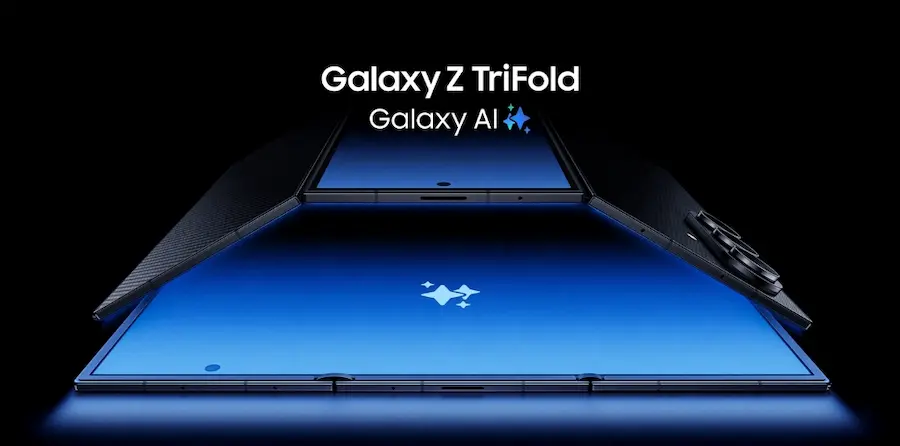

Samsung has halted sales of the Galaxy Z TriFold just a few months after its launch—a decision that stands out given it was one of the most ambitious phones to hit the market in recent times. If you’re wondering whether the device has been cancelled, sold out, or if a second generation is coming, the short answer is fairly straightforward: this was a super-premium model with very limited availability, and the brand is already winding down its commercialization in markets such as the United States and South Korea.
What’s interesting isn’t only that it’s disappearing so quickly, but what it reveals about Samsung’s foldables strategy. The Galaxy Z TriFold wasn’t conceived as a phone meant to sell at scale, but as a show of technological muscle—a kind of showcase for how far the company can push the foldable format when it decides to take it one step further. Yes, almost like those pieces of hardware that feel like they’ve come straight from a tech expo, where nobody looks at the price until it’s time to pay.
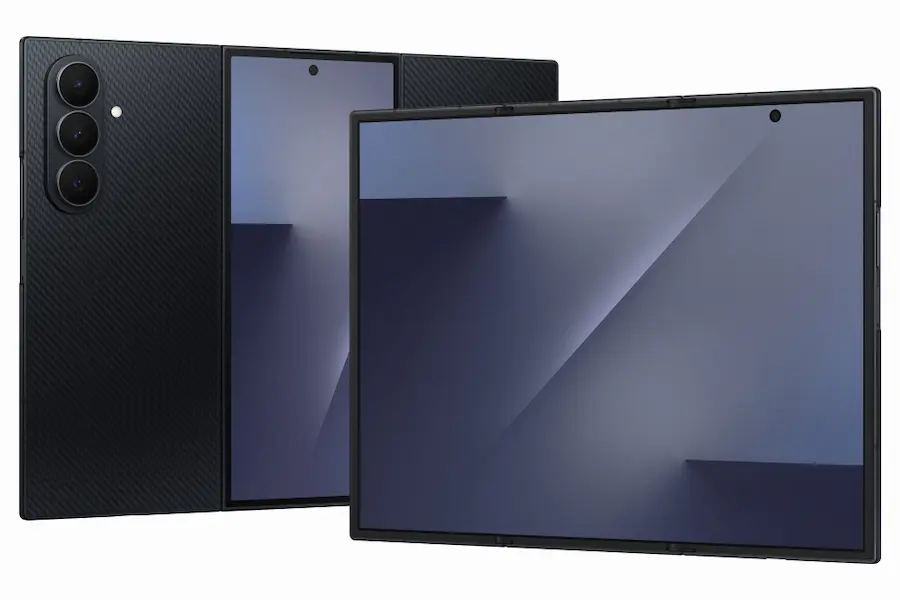
The handset debuted in South Korea in December 2025 and arrived in the United States in late January 2026. Its concept was unusual: a 6.5-inch outer display and a dual-hinge system that let it unfold into a 10-inch main panel. All of that for $2,899—a figure that made it clear from the start it wasn’t targeting the mainstream.
A luxury experiment that sold out fast
Even though Samsung has stopped selling the Galaxy Z TriFold, that doesn’t mean it was a commercial flop. In fact, the company itself has said that the available units in South Korea sold out, while in other countries there may still have been some stock in very specific outlets. In the United States, sales were limited to Samsung’s official website and a handful of Experience Stores—an ultra-select distribution that reinforced the idea of an almost experimental product.
Early demand was strong. On its first day in the United States, the device sold out within minutes, and in South Korea it moved thousands of units on key days after launch. That response helps Samsung measure something highly valuable: there is genuine interest in tri-folding phones, even when the price climbs into a completely different league.
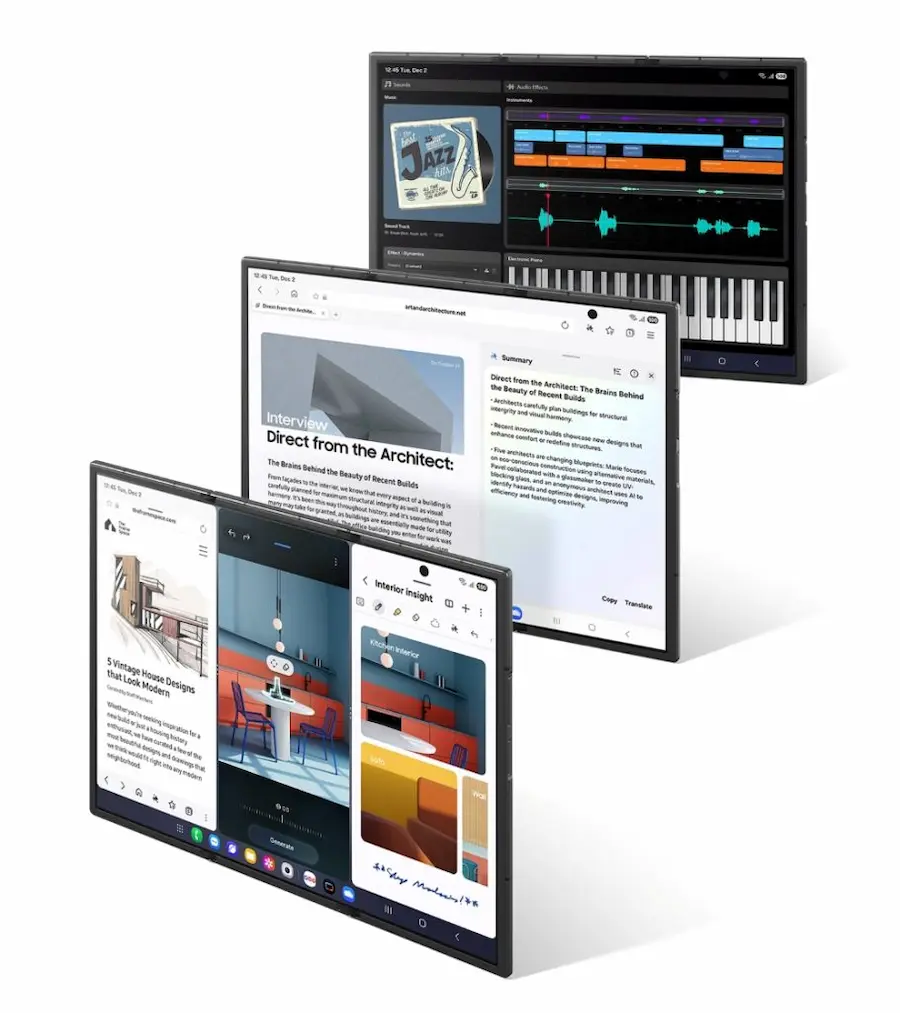
According to information cited by South Korean outlets, the Galaxy Z TriFold was never intended to become a permanent model within the brand’s regular lineup. Instead, it fit the role of a “flagship showcase”—a technology display case that allowed Samsung to test design, market reception, and the viability of this form factor. And that’s the key nuance: selling out doesn’t automatically mean the product was scalable.
In fact, multiple industry analyses suggest that mass-producing it would have been extremely expensive. Rising costs for components like DRAM, NAND flash storage, and processors—driven in part by demand tied to AI workloads—make any attempt to scale up a device this complex even harder. Not everything can be solved with more hinges and faith in the future.
What the TriFold offered—and why it was still a niche phone
On paper, the Galaxy Z TriFold brought together many of the promises foldables have been chasing for years: it works as a conventional phone, becomes a tablet when opened, and serves as a productivity or media-consumption tool with impressive ease. In real-world use, that versatility was one of its biggest draws, because it let you switch formats without having to carry two separate devices.
Early hands-on impressions highlighted its innovative, practical, and highly adaptable nature. The large panel made it easier to watch movies, run multiple apps at once, or use it almost like a small portable workstation. In that sense, it captured the industry’s long-running vision of a true hybrid device. Isn’t that the classic geek dream—having a phone that can also behave like a mini tablet when you need it?
That said, there were clear compromises. When closed, the phone measured 12.9 mm thick, which made it feel somewhat bulky. It didn’t break the experience, but it did constantly remind you this was a first high-end attempt, not a polished product for every kind of user. Then there was the price, which placed the TriFold in an almost aspirational category even within the premium segment.
That’s why the most sensible takeaway is that it was a brilliant device, but fundamentally a minority one. It could be fascinating for enthusiasts, early adopters, and users who would truly take advantage of the form factor, but it was far from what the average smartphone buyer needs. Samsung managed to show what it can do—even if it still hasn’t turned it into a reasonable option for the mass market.
Will the Galaxy Z TriFold return, or was it just a test?
For now, Samsung hasn’t confirmed whether the Galaxy Z TriFold will return with a new version or ever reach broader distribution. According to Bloomberg, an executive in the Mobile Experience division recently acknowledged that the company still hadn’t made a decision about the device’s future. That leaves the door slightly open, but without any concrete commitment.
What does seem clear is that the TriFold’s brief time on the market has worked as a real-world gauge of the format’s potential. IDC notes that tri-folding phones show an interesting long-term outlook, and Huawei’s example—with much higher sales figures in this category—suggests there’s appetite for larger screens and multi-fold designs. Even so, there’s a long distance between early interest and a segment that truly sticks.
In other words, the Galaxy Z TriFold’s fast exit shouldn’t be read as a defeat, but as a lab move at real scale. Samsung tested the waters, confirmed there’s curiosity around this kind of device, and showcased its design capabilities in one of today’s most complex formats. Whether it comes back with a more refined and less exclusive sequel remains on hold. But the message is already out there: the foldable future is still searching for its definitive shape—and sometimes it does so at nearly $3,000 per unit.


