
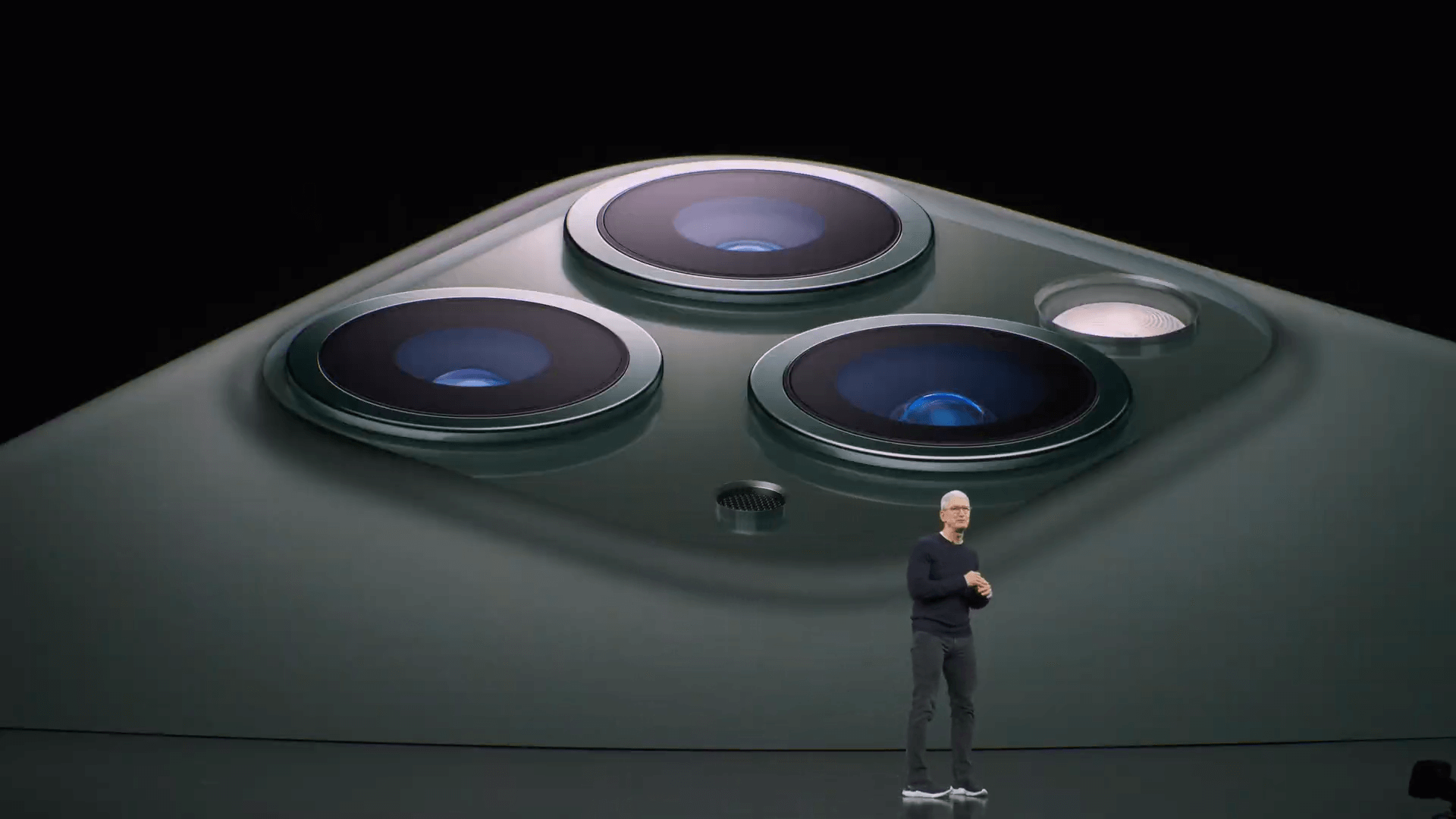

Apple now has a rough timeline for Siri’s major AI makeover: it will arrive later this year, and the most interesting part is who’s supplying the “brain” behind it. According to a joint statement, Apple and Google have signed a multi-year collaboration so that the next generation of Apple Foundation Models is built on Gemini models and Google’s cloud technology—fueling future Apple Intelligence features, including a more personalized Siri.
If what you want is the real takeaway, it comes down to two points: Apple wants a Siri that answers better, with more context and personalization, and it’s leaning on Gemini—one of the loudest names in today’s generative-model race—to get there. The obvious question, and the one many people ask with a raised eyebrow, is whether this partnership fits Apple’s long-standing message around control and privacy.
What Apple and Google agreed to—and why it matters
The deal is framed as a multi-year collaboration in which the models underpinning the next wave of Apple Intelligence capabilities will rely on Gemini and Google’s cloud infrastructure. This isn’t a simple “plug in a chatbot” situation; it’s a technological foundation for what Apple calls its next generation of foundational models, aimed at improving experiences across the ecosystem—with Siri as the most visible showcase in the short term.
The move follows months of speculation over who Apple would work with to unlock a next-gen Siri. Bloomberg reported last September that Apple was weighing models from OpenAI and Anthropic, and that it was considering paying Google around $1 billion a year for a customized Gemini model. Apple hasn’t disclosed numbers publicly in the statement, but the fact it’s described as a multi-year framework involving “foundational models” suggests this is not a small experiment—it’s a strategic pillar.
There’s also market context worth noting: after the news broke, Google became the fourth company to cross the $4 trillion market-cap threshold, just four months after hitting $3 trillion. That reaction isn’t explained by Siri alone, but it does reflect how strongly the narrative of Google as an AI powerhouse is resonating.
Privacy and execution: Apple’s promise hinges on Private Cloud Compute
One of the key points in the announcement is that, even if Google provides the AI technology, Apple insists its features will still run on Private Cloud Compute—its own cloud system with a security-first design. It’s a crucial detail because people who buy an iPhone or a Mac often do so for the sense of control, and Apple needs to square this collaboration without weakening its privacy message.
Apple calling out Private Cloud Compute explicitly sounds like both a technical and messaging guardrail: Gemini is in the picture, yes, but Apple is trying to keep control over where and how tasks are processed. In a landscape where any AI integration raises questions about what data travels where—and what stays on-device or in the cloud—this point may be just as important as answer quality. Because a smarter Siri is great, but a smarter Siri that forces users into murky terms and conditions doesn’t fit the DNA Apple has been selling for years.
The move also highlights an uncomfortable reality for Cupertino: generative AI is moving at a pace that rewards those with highly competitive, already-trained models and infrastructure that can scale. That’s where Google shows up with Gemini and a mature cloud machine. Apple, despite its strength at hardware-software integration, has moved more slowly in the AI sprint, with announcements that haven’t always landed at the pace people expected.
LLM Siri, delays, and what’s next: Apple has a lot riding on this year
Apple introduced Apple Intelligence as the umbrella for its AI initiatives, including an upgraded Siri. That “LLM-powered” Siri—sometimes dubbed LLM Siri—was slated for early 2025, and Apple even ran ads promoting new iPhones with those capabilities. However, the rollout was delayed at the last minute in a twist that didn’t just frustrate users; it reportedly triggered internal tensions, executive changes, and even a federal lawsuit over alleged false advertising.
The impact of the delay was clear enough that Tim Cook ended up telling employees Apple had fallen behind competitors in the AI race. In an internal meeting, according to Bloomberg, Cook described the AI revolution as “as big or bigger” than the internet, and argued for a deep overhaul of research and development teams. On the same call, Craig Federighi, Apple’s head of software engineering, promised the new LLM Siri would receive an improvement “much bigger” than they had initially imagined.
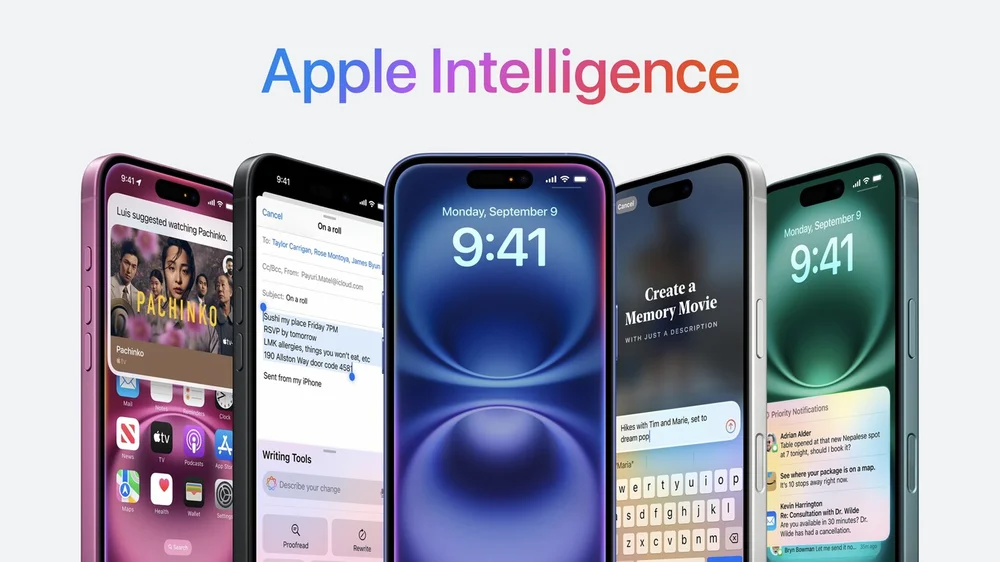
Against that backdrop, the partnership with Google reads as an accelerator: Apple needs the next Siri not only to ship, but to arrive with performance—and reception—that puts it back at the center of the tech conversation. Meanwhile, Google is riding a strong moment with Gemini, unveiled in November to plenty of online enthusiasm, drawing favorable comparisons with ChatGPT, and backed by a strategy that also aims to reduce reliance on the Nvidia-dominated chip ecosystem through its TPUs. It’s no small thing for Apple to ride that wave precisely when it needs to regain credibility.
It remains to be seen what all of this looks like in everyday use. If the details Bloomberg has also reported hold true, Apple is working on a system called World Knowledge Answers, designed to create an on-device search experience across Apple products and summarize web searches, potentially coming to Safari and Spotlight. For now, what’s confirmed is that a more personalized Siri lands this year powered by this technological foundation—and that Apple intends to keep execution under its secure-cloud model. In other words: the promise is ambitious, and by 2026 users won’t settle for polished demos; they want results, fast, without having to wrestle with the assistant like it’s beta firmware.


