
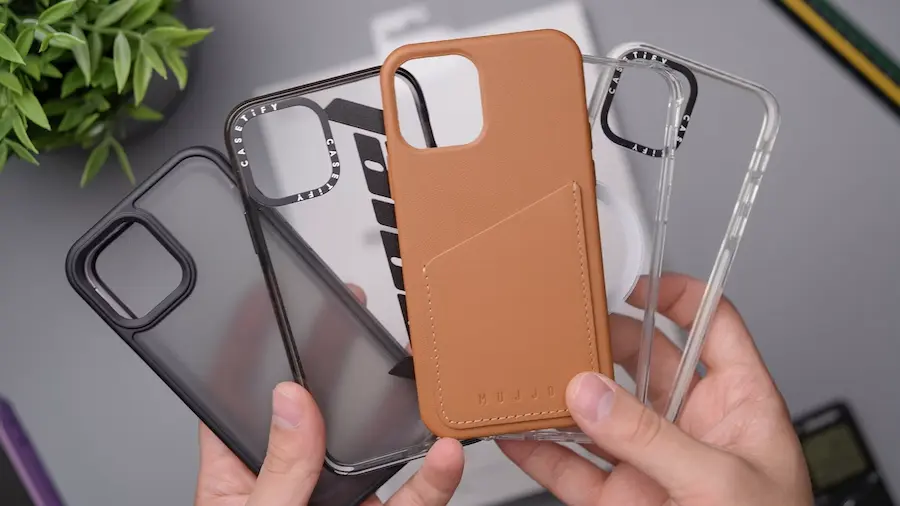

Your phone case picks up more grime than you might think: oils from your hands, pocket lint, and residue that ends up stuck to an accessory you touch constantly. If you want to clean it properly without ruining the material, the key is using the right method depending on whether it’s silicone, plastic, rubber, leather, or wood—because they don’t all tolerate the same products, even if we sometimes treat them like an indestructible gadget.
The first step is always to remove the phone before you start. It may sound obvious, but it’s what prevents the classic disaster. From there, basic cleaning works for most cases with a very simple mix of lukewarm water and a small amount of soap. For disinfecting or dealing with specific stains, though, it’s best to switch approach and—above all—avoid harsh products like solvents, ammonia-based cleaners, hydrogen peroxide, or abrasives.
How to clean a phone case depending on the material
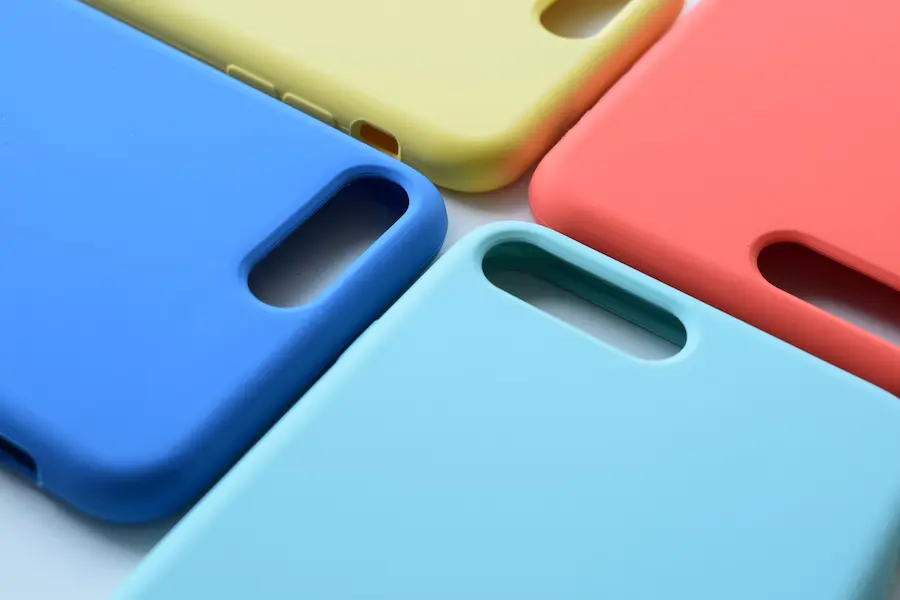
For a plastic, silicone, or rubber case, the safest option is to mix one cup of lukewarm water with a single drop of dish soap. Liquid detergent, hand soap, or a mild liquid Castile-style soap can also work—just don’t overdo it, unless you want the whole thing to turn into a foam party. Then simply dampen a cloth, sponge, or soft-bristle brush and gently scrub both the outside and inside, paying extra attention to corners and crevices.
If your case has multiple parts, such as a hard shell plus a silicone layer, it’s best to separate them before cleaning. Once you’re done, rinse thoroughly, dry with a soft cloth (microfiber is ideal), and let it air-dry for at least an hour before putting your phone back in.
Leather cases need a gentler touch. Use a mild soap, such as a natural baby soap or a non-aggressive hand soap. If you don’t have one, you can make a mix of water and vinegar at a ratio of one part vinegar to two parts water. In this case, the cloth should be well wrung out and the rubbing should be light, because scrubbing too hard can affect the color or finish.
Wood cases also require caution. Soap isn’t recommended here: the right approach is to use only water or a dedicated wood cleaner, applied to a microfiber cloth and never sprayed directly onto the case.
When to disinfect the case and which products to avoid
If you want to disinfect as well as clean, isopropyl alcohol—or a disinfectant with at least 70% alcohol—is the most straightforward option for many materials. Apply it to a soft cloth (not directly onto the case) and wipe the entire surface, inside and out. Then you can remove any excess with another dry cloth. Alcohol evaporates quickly, but it’s still a good idea to let the case sit for an hour before using it again.
This method works well for silicone, rubber, plastic, and even wood cases. With leather, however, you need to be much more careful: alcohol can discolor it over time, so it’s not ideal for frequent use. If you want a case that’s easy to sanitize regularly, synthetic materials have a clear advantage.
There’s also a practical tip for new cases with a strong chemical smell, which can happen with some models right out of the packaging. In that situation, wiping it down with alcohol or white vinegar can help reduce the odor.
What you should avoid in any case are glass cleaners, solvents, ammonia-based products, hydrogen peroxide, and abrasive cleaners. On paper, some of them sound powerful; in practice, they’re the kind of shortcut that ends up causing marks, discoloration, or premature wear.
How to remove tough stains—and what’s going on with yellowed cases
When a silicone or rubber case still has stains after normal cleaning, baking soda can help as a booster. Just sprinkle a small amount on the affected area and scrub with a damp toothbrush until the mark fades or disappears. Then rinse, dry with a soft cloth, and air-dry, just like with basic cleaning.
Still, not every stain will come out. If the dirt won’t budge even after working on it with baking soda, you may need a stronger stain remover—though that comes with risks. Bleach, for example, can stain the case itself, so it’s generally best avoided. Only for white or clear materials, and heavily diluted in plenty of water, might it be used as a last resort.
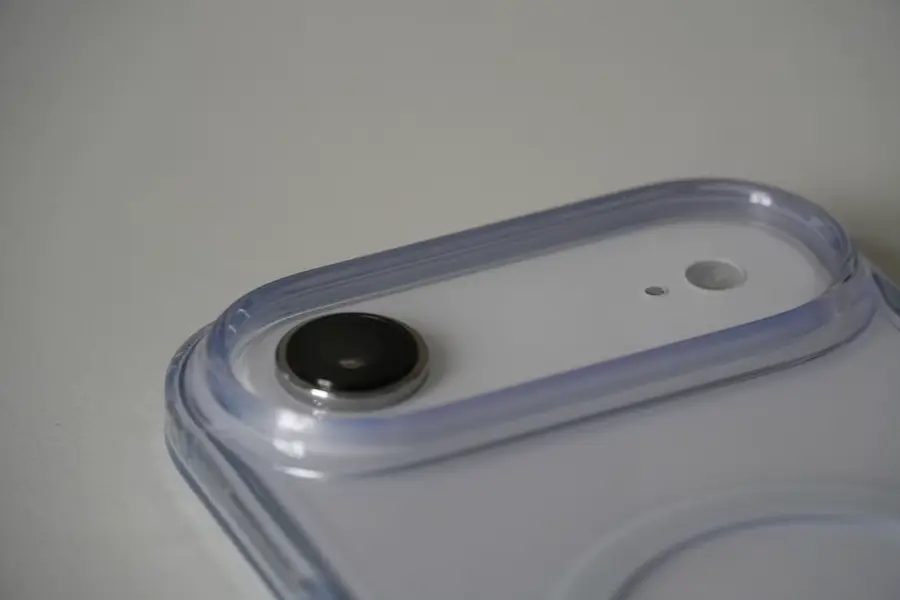
There’s one important exception worth knowing so you don’t waste time: yellowed clear cases usually don’t return to their original look. That tint develops over time from ultraviolet exposure and chemical oxidation of the material, so it’s not just a surface stain. Frustrating? Very—especially when that case felt like it came straight out of a keynote just a few months ago—but in practice the real solution is usually to replace it.
For general upkeep, it makes sense to clean your case whenever it looks dirty and to disinfect it at least once a week if you use it in environments where it can pick up contamination more easily. And, of course, don’t put it back on until it’s completely dry—because a case that feels dry to the touch can still trap moisture, and that’s not a gamble anyone wants to take with their phone.


