
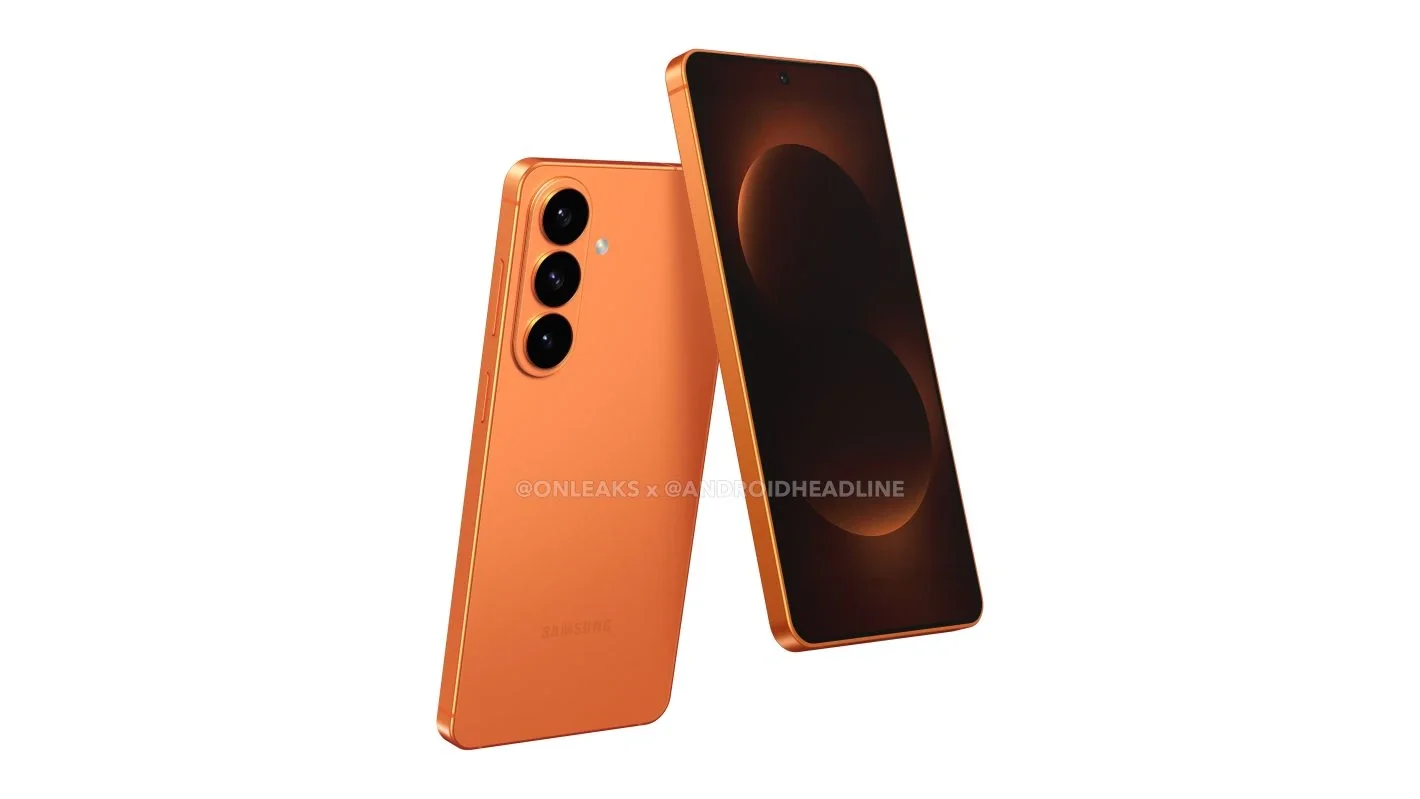

If you’re tracking Samsung’s next Galaxy phones, there are two key takeaways to keep in mind right now: on one hand, the Galaxy S26 series is expected to debut a new 24MP shooting mode designed to improve image quality without compromising the experience; on the other, early details about the Galaxy S27 Ultra are starting to leak, where a more substantial camera leap would be expected—at least for the main sensor.
In a market where every manufacturer looks for that “sweet spot” between speed, processing, and detail, an in-between mode like 24MP can be very appealing—especially if it avoids the usual drawbacks these options tend to bring. And yes, it raises the question photo nitpickers always ask: will it actually improve images, or will it just look nice on the spec sheet?
Galaxy S26: a 24MP mode with fast, more refined processing
According to a leak attributed to the well-known leaker Ice Universe, the Galaxy S26 lineup will include a new 24MP capture mode. The claim isn’t just a resolution bump over the standard 12MP mode, but a “clearly” noticeable improvement in the final result—while keeping processing time to around 3 seconds.
The interesting part is how it’s meant to work in real use: processing would happen in the background, and there supposedly wouldn’t be any delay when you press the shutter button. That matters more than it sounds, because shutter lag is one of those issues that ruins a photo right when the subject moves, the light changes, or the moment lasts only an instant. In other words, you can have an amazing mode on paper, but if it makes you miss the shot, people abandon it within days.
It’s also said that this new 24MP mode is designed to avoid common flaws found in similar options, especially oversharpening and “purple fringing” aberrations (those purple edges that show up in high-contrast areas). The reference is clear: it’s framed as sidestepping issues seen in Apple’s take on a comparable feature, without going into deeper technical comparisons. Either way, the idea seems to be a cleaner, less aggressive 24MP mode—aligned with the current trend of aiming for useful detail rather than artificial sharpness.
As for how you enable it, the leak suggests it won’t be visible by default: you’ll first have to switch it on in Camera Assistant, and only then will you be able to toggle it on or off in the stock camera app. It’s also emphasized that this won’t be the same as the 24MP option available in Expert RAW, which suggests Samsung is clearly separating the “fast, everyday” workflow from the “more manual/advanced” one. A nice nod to users who like tweaking settings—though most people just want to point and shoot.
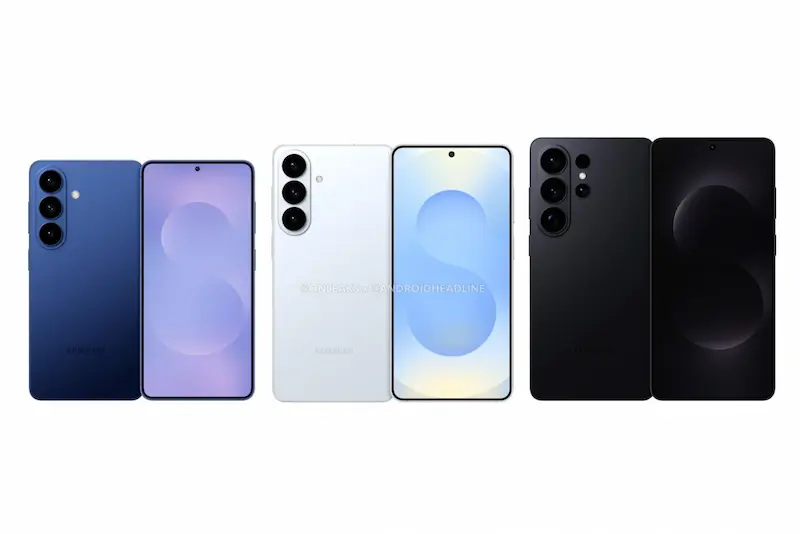
Unpacked and timing: the Galaxy S26 series could be announced next month
On the launch front, there are still no official Unpacked invites, which fits with the idea that it won’t happen this month. The expectation is that Samsung will unveil the Galaxy S26 series next month, just ahead of MWC in Barcelona—a setting that has historically been a strong stage for major mobile announcements.
It’s also said that this would be a slightly later-than-usual schedule, with two possible explanations: leaving room for another device (a TriFold is mentioned) to take the spotlight, and a ripple effect from the government shutdown late last year, which reportedly even impacted the OnePlus 15 launch. These contextual factors help explain why dates shift, but for most people the takeaway is simpler: the announcement should be relatively close, and it will confirm, refine, or dismiss these leaks.
Practically speaking, if the 24MP mode lands as described, the S26 could focus on improving photo results without having to sell big hardware changes—something Samsung has done in other generations by leaning on processing and smarter camera options.
Early hints about the Galaxy S27 Ultra: HP6 sensor and potentially bigger changes
Even though that generation is still a way off, details about the Galaxy S27 Ultra are already emerging—and interestingly, the leak focus points to a more obvious camera upgrade. Once again, the information is attributed to Ice Universe: the S27 Ultra would use the ISOCELL HP6 sensor for its main camera.
Based on the information shared, it would be a 200MP sensor with a 1/1.3-inch optical format, placing it in a similar category to the ISOCELL HP2 found in the Galaxy S25 Ultra. The difference isn’t framed around size or megapixels, but around the inclusion of “newer technologies” in the sensor that should translate into better photos and video. Those technologies aren’t specified, so the safe takeaway is the broad one: same class, but a more modern foundation for capture and processing.
It’s also mentioned that Samsung may be planning to upgrade the S27 Ultra’s ultra-wide camera. And there’s a point many power users have been making for a while: it’s probably time to refresh the mid-range zoom camera, too. As a reference, the Galaxy S26 Ultra is said to use a 10MP/12MP sensor with 3x optical zoom, and it’s suggested Samsung should move to a 50MP or even 200MP sensor—though the latter is presented as a recommendation, not a confirmation. Either way, the underlying message is clear: the 3x zoom setup may be starting to feel dated compared to today’s expectations.
The list of potential improvements floated for the S27 Ultra includes several ideas: 8K at 60 fps recording, a larger sensor for the 5x super-telephoto camera, and a square sensor for the front camera. In addition, there’s mention of potentially adding 3D facial scanning for biometric authentication using Metalenz’s Polar ID system, backed by the ISOCELL Vizion 931 sensor. And in a twist that could raise eyebrows among stylus fans, there’s also talk that Samsung might remove the built-in S Pen, starting with the Galaxy S27 Ultra.
For now, all of this is still early and full of “could,” but it sketches an interesting direction: the Galaxy S26 is shaping up as a generation where software and experience (that well-tuned 24MP mode) carry more weight, while the S27 Ultra would begin lining up more ambitious changes in photography and biometrics. For those of us who obsess over phone cameras like they’re pocket compacts, we’ll have to wait for Unpacked to confirm the first step.


