
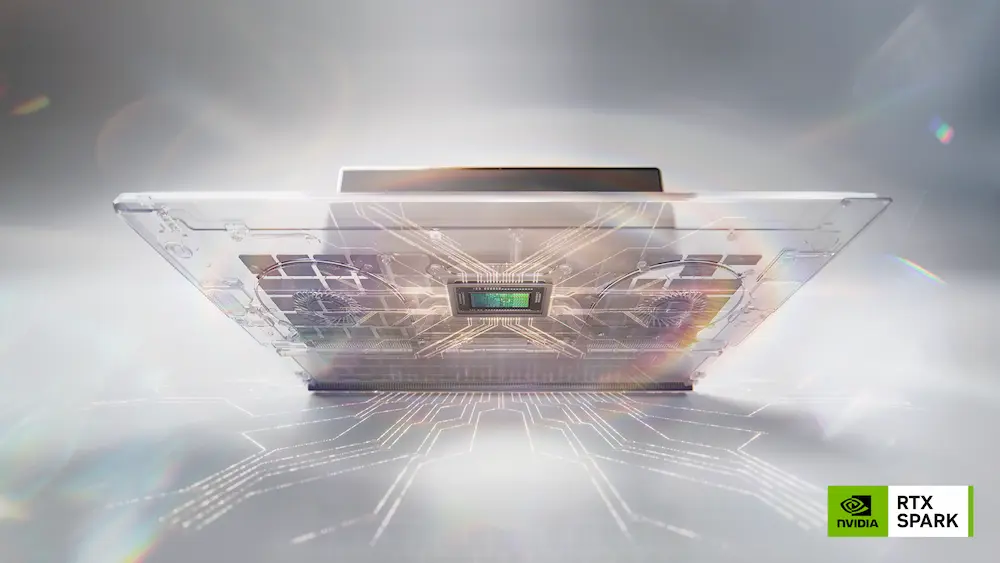

The latest joint push from NVIDIA and Microsoft aims to seriously rethink the classic idea of the Windows PC. Instead of simply running apps, the concept centers on computers built to run personal AI agents directly on-device, with a clear emphasis on privacy, security, and local performance. The platform is called NVIDIA RTX Spark, a superchip designed for thin laptops and compact desktops that will arrive through manufacturers such as ASUS, Dell, HP, Lenovo, Microsoft Surface, and MSI.
The key isn’t just raw power—though there’s plenty of it—but a shift in how the PC is used. NVIDIA envisions a PC that goes from being a tool to something closer to a digital companion: able to execute tasks within Windows, reason across apps, search local files with semantic context, generate images and video, or even help build add-ons and apps. Does it sound like that future we’ve been hearing about for years? Yes—but this time the focus is doing it on the machine itself, under the user’s control.
On paper, RTX Spark integrates an NVIDIA Blackwell RTX GPU with 6,144 CUDA cores and fifth-generation Tensor Cores with FP4 precision, connected via NVLink-C2C to a 20-core NVIDIA Grace CPU. MediaTek collaborated on the design of that custom CPU, especially around power efficiency, performance, and connectivity. The promised result is up to 1 petaflop of AI performance and up to 128 GB of unified memory—two figures that set the tone for the entire platform.
Windows built for personal agents
Where NVIDIA and Microsoft place the most emphasis is on securely running agents on the PC itself. According to both companies, mass adoption of these assistants has run into a fairly obvious barrier: it’s not enough for them to be capable—they also need to work on the user’s primary device without compromising privacy or control. To address this, the two companies are developing a native Windows experience based on new security primitives and NVIDIA OpenShell.
These new Windows capabilities provide identity, containment, policy controls, and end-to-end security to build and run agents natively. OpenShell adds a practical layer for users: it lets you define what an agent can and can’t do, route queries to local models based on privacy policies, and mask personal information when a request has to go out to cloud models. That’s not a small detail—because that’s exactly where the magic tends to break when a system feels a bit too curious.
Developers like Hermes Agent and OpenClaw are already adopting this foundation for their new Windows apps. The idea is that these agents can operate inside system applications, connect workflows across multiple tools, and work with local files—without turning the desktop into an endless demo of promises. On top of that, Microsoft wants to bring new agent experiences into the taskbar interface itself, a pretty clear hint at where it wants to push Windows next.
Local power for AI, creation, and gaming
Beyond the agent narrative, RTX Spark is also targeting three very specific areas: local AI, content creation, and gaming. NVIDIA says this platform can handle 3D scenes over 90 GB with OptiX and DLSS, edit 12K 4:2:2 video using the Blackwell decoder, run 120-billion-parameter language models with up to 1 million tokens of context, and play AAA titles at 1440p above 100 frames per second with ray tracing, DLSS, and Reflex.
Compatibility with NVIDIA’s full ecosystem reinforces the idea of an all-in platform: CUDA, RTX, TensorRT, OptiX, DLSS, G-SYNC, and other technologies come bundled in a form factor aimed at both ultra-thin laptops and small desktops. NVIDIA is also announcing updates such as DLSS 4.5 Ray Reconstruction with a second-generation transformer model, coming to Blender 5.3 and dozens of games, plus RTX Video with 4x Frame Generation for ComfyUI.
More than 100 Windows software vendors already back the initiative, including Adobe, Blackmagic Design, Blender, CapCut, ComfyUI, and OTOY, while the gaming side features names like KRAFTON, NetEase, Remedy Entertainment, Riot Games, and XBOX. It’s a long list, but what matters is the underlying message: NVIDIA isn’t just selling a chip—it’s pitching a complete ecosystem so local AI doesn’t live in isolation from the rest of the creative or gaming workflow.
Adobe, premium design, and launch timeline
One of the most eye-catching moves is the collaboration with Adobe. The company is redesigning Photoshop and Premiere for RTX Spark with the goal of doubling performance in AI tasks, editing, color, and effects. In Photoshop, NVIDIA cites features like Generative Fill powered by Firefly, while Premiere will integrate a new video pipeline that leverages unified memory, the Blackwell GPU, and TensorRT to edit and color grade in real time and render complex timelines more efficiently.
There will also be native support for Adobe Substance 3D Painter and Substance 3D Stager, with a smoother experience for texturing and building 3D scenes. Adobe also plans to expand Premiere and Photoshop so users can work with Windows agents inside their own creative workflows. It’s a pretty logical direction: if the PC is going to act as an assistant, creative work is one of the first areas where it can save meaningful time.
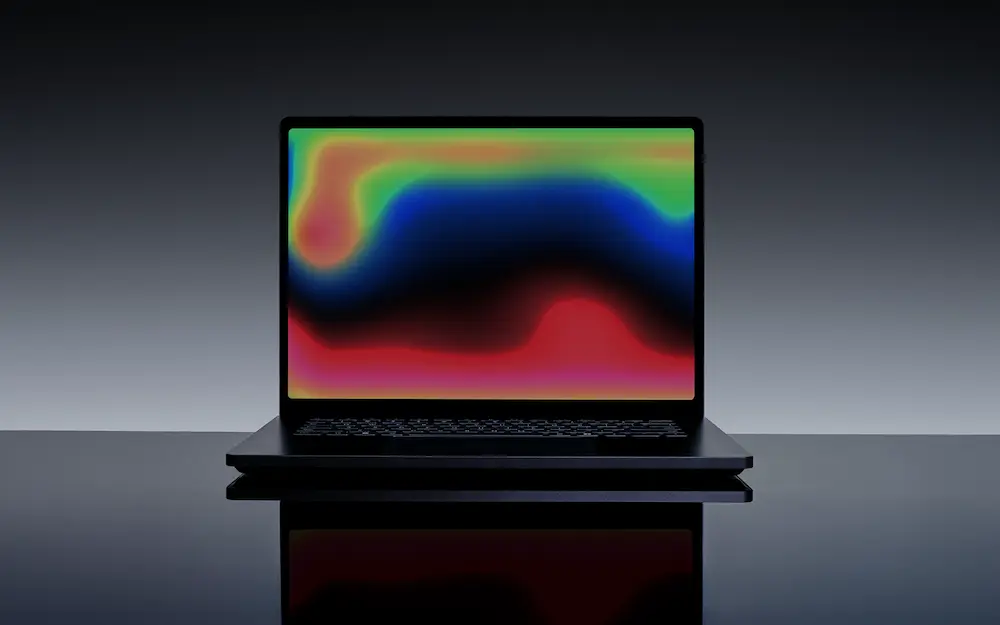
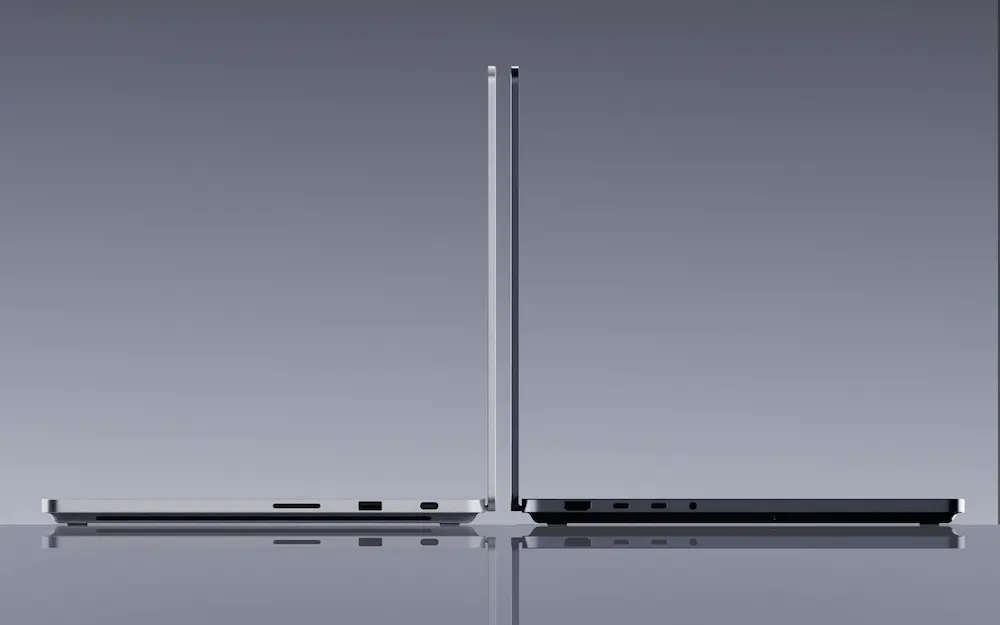
On the hardware side, NVIDIA talks about 14- to 16-inch laptops up to 14 mm thick, weighing close to three pounds, with CNC-machined aluminum chassis and tandem OLED displays with accurate color and G-SYNC technology. There will also be compact desktops geared toward agents, creation, gaming, and general productivity. The first RTX Spark systems will arrive this fall from ASUS, Dell, HP, Lenovo, Microsoft Surface Laptop Ultra, and MSI, with Acer and GIGABYTE joining later. If everything delivers as promised, Windows could be heading into a very different era from the one defined by icons, double-clicks, and reheated coffee.


