
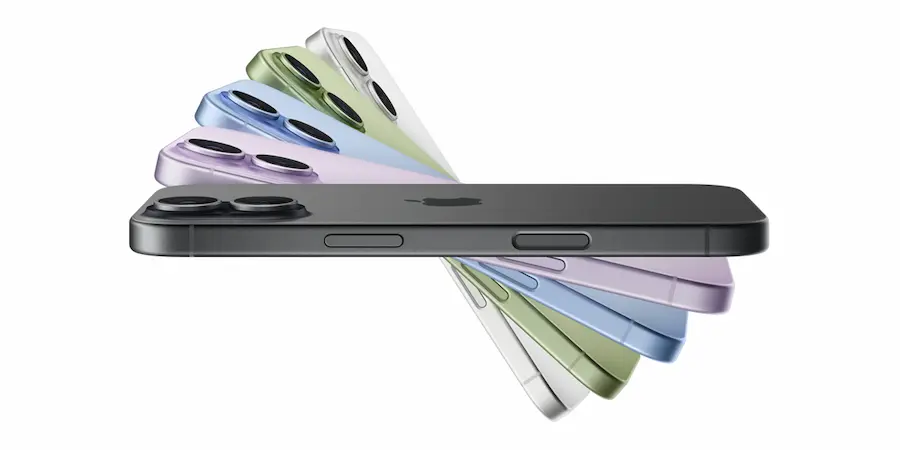

The iPhone 17 has kicked off 2026 as the world’s best-selling smartphone in the first quarter, according to preliminary figures from Counterpoint Research. The more interesting takeaway isn’t just that Apple takes the top spot, but that the top three positions in the global ranking are held by the same family: iPhone 17, iPhone 17 Pro Max, and iPhone 17 Pro. In a market where every quarter feels like a war of attrition across lineups, carriers, and promotions, that combined dominance says far more than a simple headline.
If you’re trying to understand what happened here, the key is a very specific mix: noticeable upgrades to the base model, strong performance in strategic markets, and a clear gap versus the rest of the top 10. Apple didn’t just sell a lot—it focused attention on its core models, something that doesn’t always happen when a lineup starts branching out like an endless spec sheet.
iPhone 17 Overtakes the Pro Max to Take the Lead
Counterpoint places the iPhone 17 as the world’s best-selling phone in Q1 2026, with a 6% share of global smartphone sales. Behind it are the iPhone 17 Pro Max and the iPhone 17 Pro, completing an all-Apple podium. That’s a notable shift compared with the end of 2025, when the iPhone 17 Pro Max led the quarterly rankings and the iPhone 17 trailed behind alongside the iPhone 17 Pro and the iPhone 16.
The change in order doesn’t look accidental. According to the firm’s analysis, the iPhone 17 is outperforming its predecessor thanks to several upgrades that make the entry model more compelling: more base storage, a higher-resolution camera, and a faster display refresh rate. In other words, the standard model moves a bit closer to the Pro experience, broadening its appeal to a wider audience. What happens when the “regular” iPhone no longer feels like the compromise option? It starts taking some of the spotlight that the Pro Max used to monopolize.
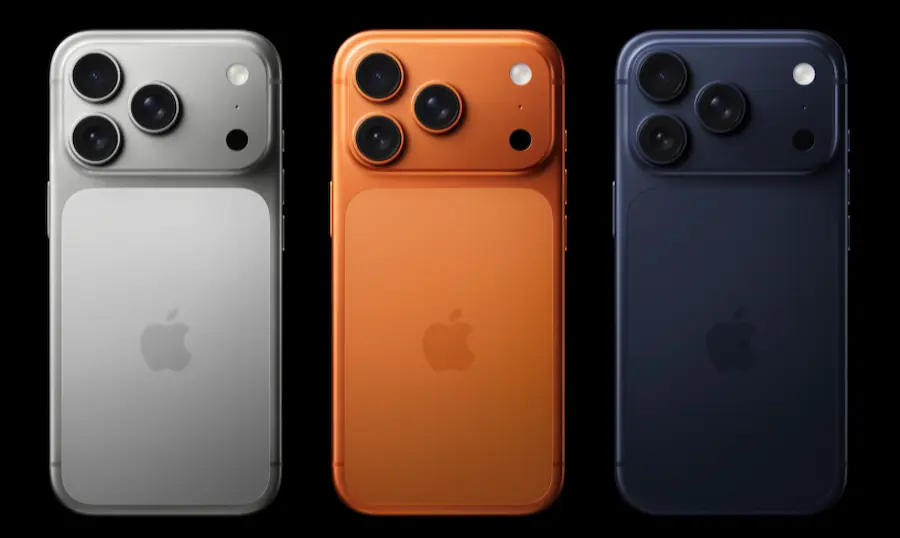
Counterpoint also highlights that the iPhone 17 posted double-digit year-on-year growth in key markets such as China and the United States, and tripled its performance in South Korea during the quarter. These aren’t minor or anecdotal regions: they carry huge commercial weight and face especially aggressive competition, so that progress reinforces the idea that the base model’s momentum goes well beyond novelty alone.
Apple Dominates the Top 10, and Samsung Pushes Back from the Mid-Range
After the three iPhones at the top, the ranking continues with several Samsung models and a single Xiaomi entry. Specifically, the Samsung Galaxy A07 4G and the Galaxy A17 5G appear next, followed by the iPhone 16, the Galaxy A56, the Galaxy A36, the Galaxy A17 4G, and, closing the list, the Xiaomi Redmi A5. The breakdown points to two very clear trends: Apple dominates the high end with its most ambitious devices, while Samsung drives volume through its mid-range lineup, which remains essential in many markets.
Counterpoint hasn’t provided the exact share for the other devices beyond the iPhone 17’s 6%, but it does underscore a particularly striking figure: the ten best-selling smartphones accounted for 25% of global unit sales in the first quarter—the highest concentration ever recorded in a Q1. In other words, the market is clustering more tightly around a handful of clearly identifiable models, which benefits brands that can turn launches into global reference points.
In that context, it’s noteworthy that the Samsung Galaxy S26 Ultra missed the top 10 despite getting off to a stronger start than the Galaxy S25 Ultra in early sales. According to the consultancy, its privacy-focused display improvements and AI features helped that better opening, though not enough to make the final list. Put differently: there’s premium buzz, yes—but real volume is still moving elsewhere.
What These Numbers Reveal About the Smartphone Market
Beyond the headline of “the iPhone 17 is the best-selling phone,” the report offers a fairly precise snapshot of where the industry stands right now. Apple has managed to give its base model more weight without fully cannibalizing the Pro line, because the iPhone 17 Pro Max and Pro still take the next spots thanks to advantages in camera, battery life, and materials. That balance between aspiration and accessibility is likely the company’s strongest asset at the start of the year.
The absence of the iPhone Air is also telling. It was already missing from the end-of-2025 ranking and doesn’t appear again now. On its own, that doesn’t allow for many conclusions, but it does suggest that the bulk of demand remains concentrated on the most recognizable models in the main lineup—not on variants trying to carve out their own lane within the catalog.
Taken together, Q1 2026 paints a market where Apple sets the pace at the high end, and Samsung maintains a very strong presence through more affordable devices. Xiaomi, meanwhile, manages to make the top 10, but in a far more modest role. For readers who track these quarterly lists, the conclusion is clear: the iPhone 17 isn’t just selling well—it’s doing so at the exact point where perceived value, tangible upgrades, and global reach intersect. And in tech, when those three pieces line up, the impact tends to show up quickly in the rankings.


