
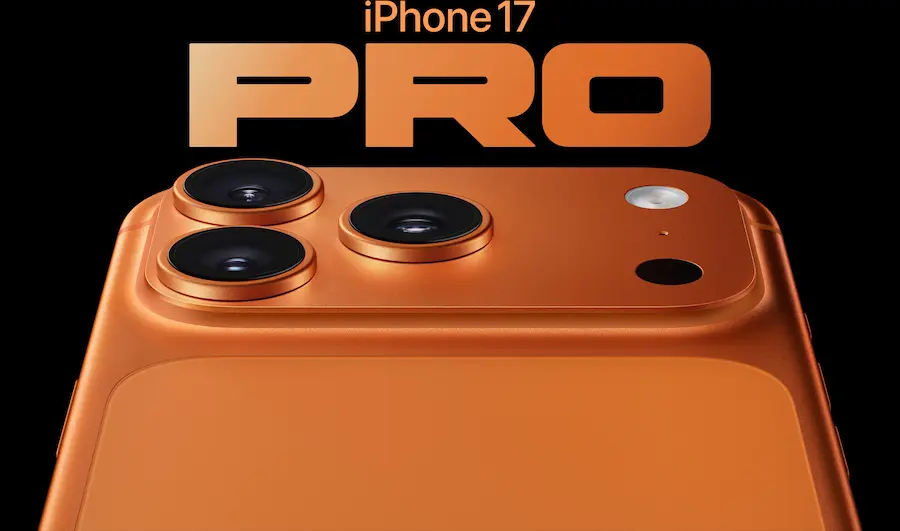

Comparing the Google Pixel 11 Pro with the Apple iPhone 17 Pro means stepping into the kind of matchup that makes any tech fan raise an eyebrow: two compact high-end phones, both with a 6.3-inch display, a triple camera setup and a very serious focus on computational photography, but with quite different philosophies. If you have come this far looking for which one looks like the better buy, the short answer is that the iPhone 17 Pro starts out with a more rounded spec sheet and a higher overall rating, while the Pixel 11 Pro boasts a larger battery, more RAM in some versions and a very strong AI integration.
There is one nuance worth keeping in mind from the very beginning: according to the available data, the iPhone 17 Pro is listed with a September 9, 2025 launch, while the Pixel 11 Pro is listed for August 12, 2026. That time gap makes the comparison unusual, almost like pitting two generations against each other that do not quite share the same calendar. Even so, on paper, the clash leaves some fairly clear clues.
Display, design and power: apparent parity, with nuances
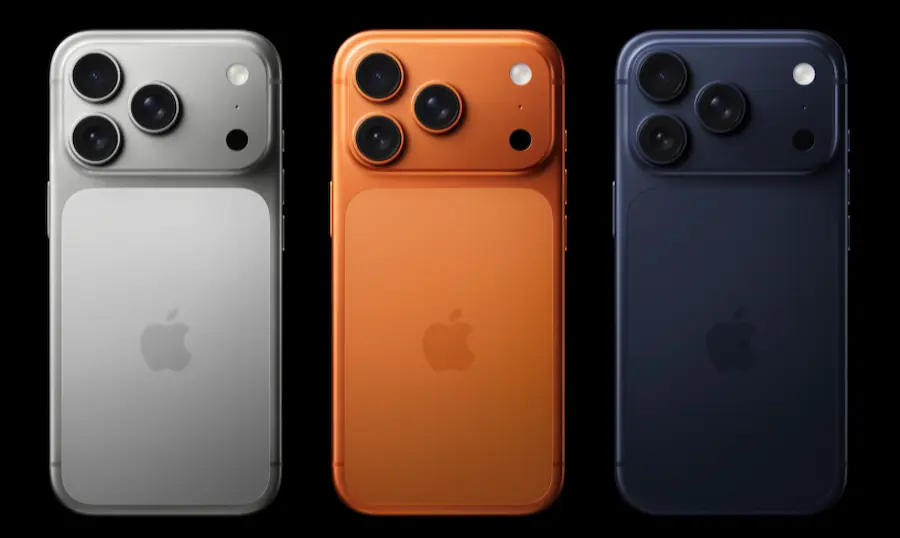
In terms of size, both are aimed at the same user: someone who wants a Pro phone without carrying a “slab” in their pocket. The Google Pixel 11 Pro measures 152.7 x 71.9 x 8.4 mm and weighs 204 grams, while the iPhone 17 Pro comes in at 150 x 71.9 x 8.8 mm and 206 grams. The differences are small, but the Pixel is slightly taller and thinner, while the iPhone is a little more compact and heavier. Both have IP68 resistance, so protection against water and dust is exactly where you would expect it to be in the high-end segment.
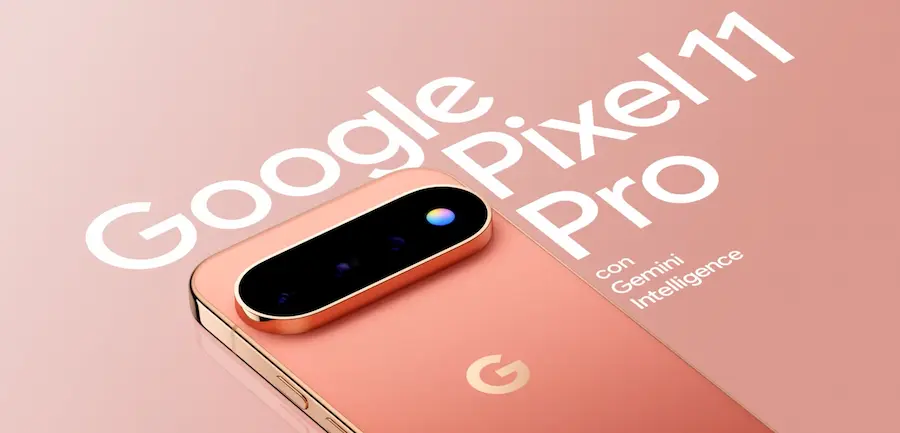
The display is one area where Apple flexes its muscles. Both panels are 6.3 inches and 120 Hz, but the iPhone 17 Pro uses an LTPO Super Retina XDR OLED with Dolby Vision, up to 3,600 nits of peak brightness and an anti-reflective coating. The Pixel 11 Pro responds with an OLED panel, 1280 x 2856 pixels, 497 ppi, HDR10+ and up to 3,000 nits. In pure sharpness, the Pixel has the higher density; in peak brightness and viewing extras, the iPhone looks better prepared for demanding outdoor use.
In performance, the battle pits Google’s 2 nm Tensor G6 against Apple’s 3 nm A19 Pro. The iPhone’s spec sheet details a hexa-core CPU and a 5-core Apple GPU, while the Pixel does not provide as much internal processor detail. Google makes up for that with 12 or 16 GB of RAM, compared with 12 GB on the iPhone. Storage is equally ambitious: 256 GB, 512 GB or 1 TB, with no microSD on either device. The old “insert a card and forget about it” approach is, once again, in the geek museum.
Cameras and software: Google plays the AI card, Apple leans into video
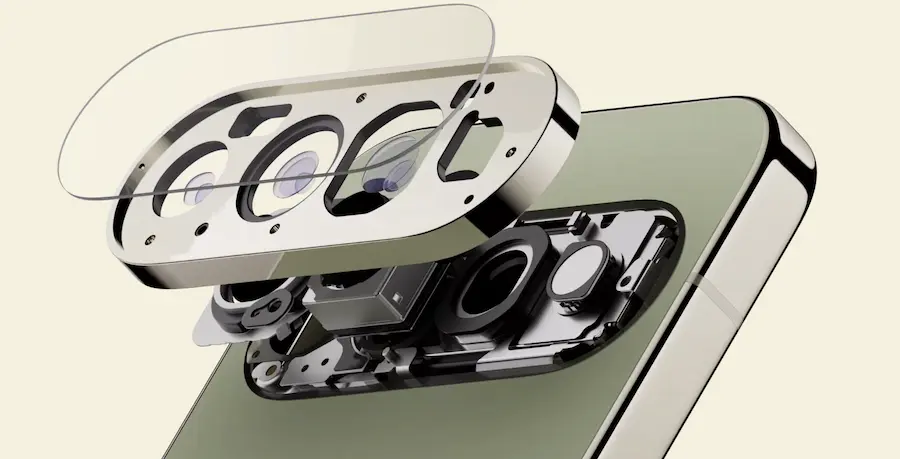
The camera is where these two phones become truly interesting. The Pixel 11 Pro opts for a triple setup made up of a 50 MP main sensor with optical stabilisation, a 48 MP periscope telephoto lens with 5x optical zoom and a 48 MP ultra-wide camera. The feature list makes the Pixel personality clear: Pixel Shift, Ultra-HDR, Best Take, Zoom Enhance, Magic Eraser and strong Gemini support. Who hasn’t wanted to erase a random passer-by from the background of a photo as if they were a production bug?
The iPhone 17 Pro also has a triple camera system, but with three 48 MP sensors: a main camera with sensor-shift stabilisation, a periscope telephoto lens with 4x optical zoom and a 120-degree ultra-wide. It also adds a 3D TOF LiDAR scanner, a detail that fits Apple’s focus on depth, augmented reality and spatial capture. In pure photography, the Pixel looks more aggressive in optical zoom and smart tools; in the advanced capture ecosystem, the iPhone arrives better equipped.
Where Apple pulls ahead most clearly is video. The iPhone 17 Pro records in 4K at up to 120 fps, offers Dolby Vision HDR up to 60 fps, ProRes, ProRes RAW, Apple Log 2 and spatial video/audio. The Pixel 11 Pro goes up to 8K at 24/30 fps and also offers 4K up to 60 fps, 1080p slow motion up to 240 fps, gyro-EIS, OIS and 10-bit HDR. On the spec sheet, the Pixel boasts resolution; the iPhone focuses on professional workflows and advanced formats, which is where many creators notice the real difference when editing.
There is also a contrast in selfies. The Pixel 11 Pro has a 42 MP ultra-wide front camera with PDAF, while the iPhone 17 Pro uses an 18 MP multi-aspect camera with OIS and an SL 3D sensor for depth and biometrics. Once again, Google aims for resolution and width; Apple adds a layer more focused on stability, Face ID and Dolby Vision capture.
Battery, connectivity and price: the decision is not that obvious
The battery clearly favours the Pixel 11 Pro in capacity: 4,850 mAh compared with 3,988 mAh in the iPhone 17 Pro. It also offers 30 W wired charging, 55% in 30 minutes, 25 W wireless charging, 4.5 W reverse charging and bypass charging. The iPhone, for its part, lists 50% in 20 minutes and 25 W wireless charging, although the spec sheet does not detail wired power. On paper, the Pixel has more energy headroom; the iPhone responds with a faster initial charge according to the available figure.
In connectivity, both are very up to date: tri-band Wi-Fi 7, Bluetooth 6.0, NFC, USB-C 3.2, positioning with multiple systems and UWB support. The iPhone adds USB-C 3.2 Gen 2 and emergency satellite services, messaging and Find My via satellite. The Pixel also includes satellite SOS and an ultrasonic under-display fingerprint reader, while the iPhone relies on Face ID. There is no universal winner here, only preferences: fingerprint on the screen or facial recognition, Android 17 or iOS 26, Gemini or Apple’s closed ecosystem.
The pricing section adds another layer to the analysis. In the international spec sheet, the Pixel 11 Pro is listed with 12 GB/256 GB for €1,199 ($1,099) and 16 GB/512 GB for €1,329 ($1,299). The iPhone 17 Pro appears with 12 GB/256 GB for €1,319 ($1,099) and 12 GB/512 GB for €1,569 ($1,449), plus a 16 GB/1 TB variant at €1,819. Prices may vary, so check the Apple website or the Google Store to confirm them.
If the matchup had to be summed up, the iPhone 17 Pro looks like the more complete phone for those who prioritise a bright display, advanced video, integration with the Apple ecosystem and a more balanced overall spec sheet, something that fits with its 93 rating versus the Pixel’s 73 points in the original comparison. The Google Pixel 11 Pro, on the other hand, is especially attractive for anyone looking for a larger battery, a camera with 5x zoom, plenty of integrated AI and the most “Google” Android experience possible. Two Pro phones, two styles, and a decision that depends less on the logo and more on how you actually use your phone every day.


