


Apple has unveiled the MacBook Neo, an all-new laptop aimed squarely at a very clear search intent: finding the most affordable Mac without giving up the essentials of the ecosystem. The pitch rests on three easy-to-grasp pillars even before you look at specs: an aluminium design in several colours, a 13-inch Liquid Retina display, and an A18 Pro chip that promises a noticeable leap in everyday tasks and on-device AI features.
The MacBook Neo is available to pre-order starting today and will begin shipping on Wednesday, March 11. Apple positions it as its cheapest laptop yet, with a starting price of $599 in the United States (and $499 with education pricing). In Spain, however, the entry price will be €699—the same across Europe—which inevitably invites comparison: the “affordable Mac” is considerably more affordable on the other side of the Atlantic, and here the price tag feels less disruptive than the launch message suggests.
Design, display, and everyday experience: what matters most
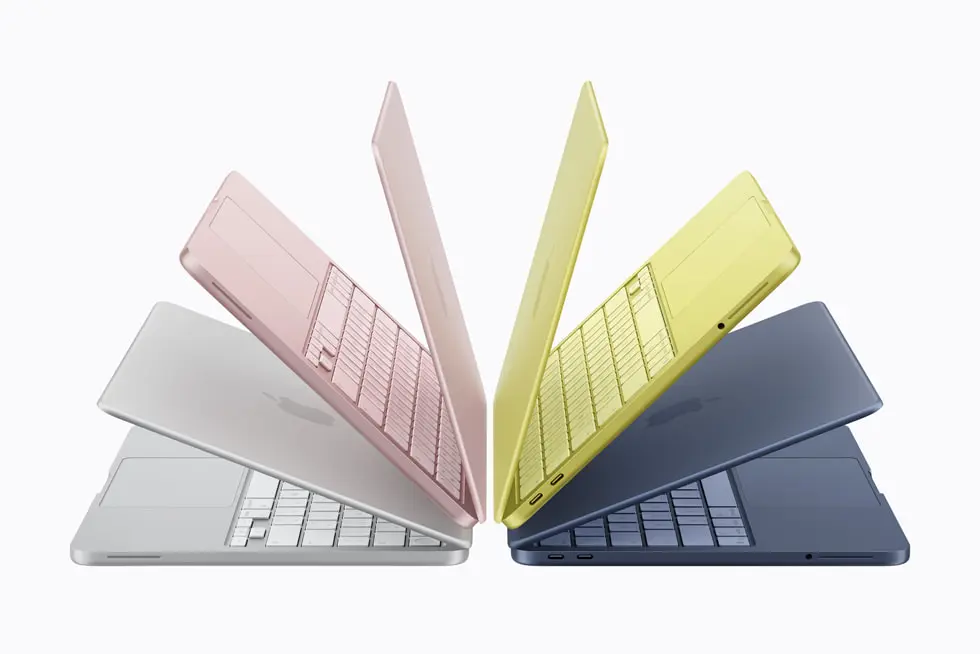
In daily use, the MacBook Neo plays to a card Apple knows well: a recognisable, well-finished design. It arrives with an aluminium chassis and in four colours: blush, indigo, silver, and a new citrus that sets it apart from more classic tones. It’s not a minor detail, because this kind of laptop often ends up in classrooms, libraries, or cafés—and Apple clearly wants it to be instantly identifiable.
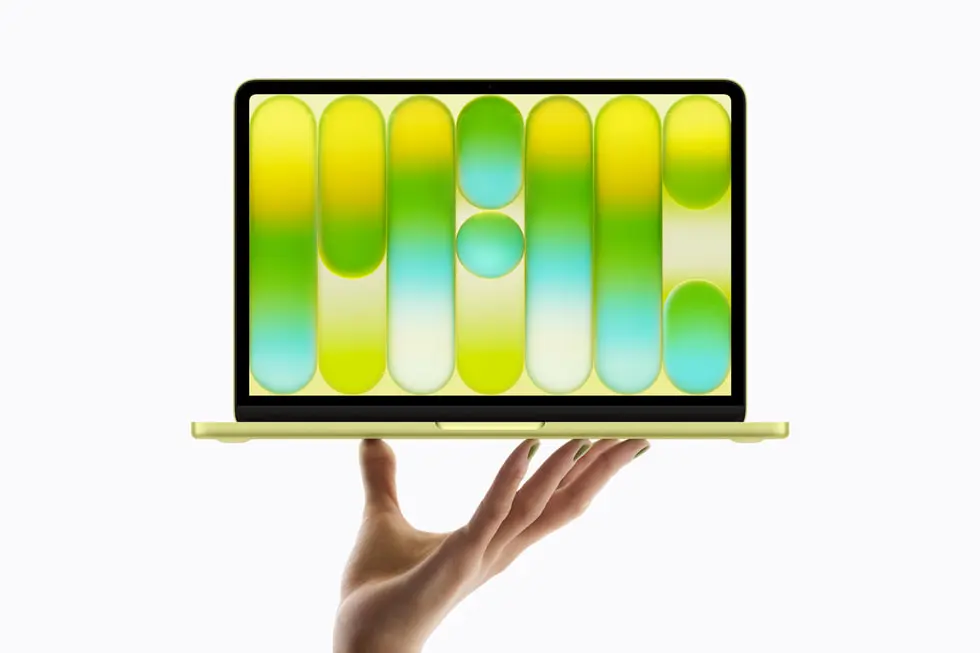
The display is another strong point for the audience this is aimed at. It features a 13-inch Liquid Retina panel with high resolution, high brightness, and support for 1 billion colours, which is especially well suited to web browsing, streaming, photos, and creative apps. Is it the kind of screen that makes even opening a document or a website feel more “premium” than the price suggests? That’s the idea—and part of the appeal of getting into macOS without stepping up to pricier lines.
Video calls and audio also get a boost—something that, in 2026, is non-negotiable: it includes a 1080p FaceTime HD camera, dual microphones, and two side speakers with Spatial Audio for a more immersive sound. And as the finishing touch, Apple keeps its classic control setup: the Magic Keyboard and a large Multi‑Touch trackpad with gestures. In other words, the sort of thing that gets many people used to a Mac quickly (and then makes them reluctant to go back to a mediocre trackpad—even if they won’t say it out loud).
A18 Pro, on-device AI, and total silence
At the heart of the MacBook Neo is the A18 Pro, a notable move given this chip’s association with the Apple Silicon family—and Apple uses it here to justify both performance and efficiency. In everyday terms—browsing, productivity, streaming, documents, basic photo editing, or creative hobbies—the company says the machine has power to spare, with room for multitasking across apps like Messages, WhatsApp, Canva, Excel, or Safari.
In the comparisons Apple provides, the A18 Pro MacBook Neo is up to 50% faster in everyday tasks like web browsing than the best-selling PC laptop with an Intel Core Ultra 5, according to its tests. Where the narrative leans hardest is on local, on-device AI: Apple claims up to 3x performance for on-device AI workloads and up to double the speed in tasks like photo editing. In practice, the approach is clear: make “smart” features less dependent on the cloud and keep more processing on the device—something that also aligns with Apple’s usual emphasis on privacy.
On the graphics side, it relies on an 5-core integrated GPU designed to handle action games and creative work, while the 16-core Neural Engine accelerates Apple Intelligence features and common AI tasks, such as summarising notes or using tools like Clean Up in Photos. It’s the kind of detail that fits the times, with AI now built into the workflow of many apps… even if some of us still open the laptop “just to quickly check something” and end up with twenty tabs open like it’s a tradition.
There’s one very practical spec worth highlighting above the rest: the MacBook Neo is fanless, meaning it has no fan and runs silently. Add to that a claimed battery life of up to 16 hours, and the usage profile is clear: a laptop you can carry around, use for long stretches, and forget about the charger for much of the day (with the usual fine print that it depends on usage and configuration, as always).
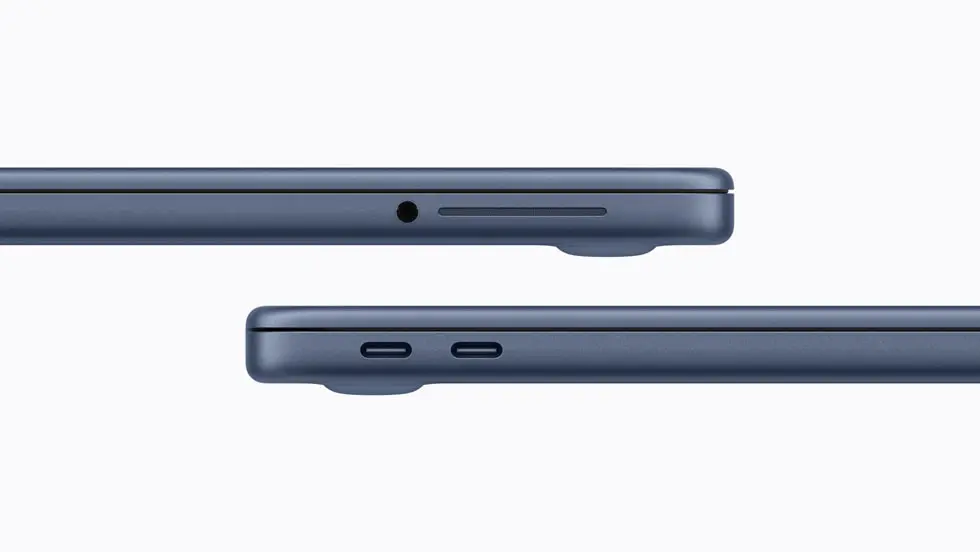
On connectivity, Apple calls out a detail that may influence buying decisions: it includes two USB‑C ports, but they are not the same. One is USB 3 (left side) and the other is USB 2 (right side), and external display support is only available through the USB 3 port. These are the kinds of things that never make it into the slogan, but can be the difference between a perfect purchase and an unpleasant surprise when you plug in a monitor.
macOS Tahoe, the ecosystem, and pricing: the big print
The MacBook Neo delivers the full Mac experience powered by macOS Tahoe, with built-in apps like Safari, Photos, Messages, and FaceTime ready from the first boot. Apple also highlights Apple Intelligence integration across the system, with features like Writing Tools and Live Translation woven throughout the experience. On top of that, macOS keeps its usual package of privacy and security, including encryption, malware protections, and automatic free security updates.
On purchasing and support, Apple mentions options like Apple Trade In (turning in your current computer for credit) and AppleCare plans with coverage and support, as well as Personal Setup sessions to get the machine configured. These extras won’t change performance, but they do shape the on-ramp into the ecosystem—especially for anyone buying their first Mac.
And we get to the point that will be most discussed in Spain: the price. In the United States it starts at $599, and the message of “Mac for more people” lands directly. In Spain and the rest of Europe, it will start at €699, which significantly dulls the “breakthrough price” effect of the announcement. Is it still Apple’s most accessible MacBook, in principle? Yes. Is it equally aggressive in our market? The contrast with the U.S. is simply too noticeable to ignore.


